Hair worn down is the easy part of a veil look; what decides the style is how much hair the comb has to grip.
The first 6 looks run from a half-up section that anchors the comb, to side-swept curls, Hollywood waves with a pearl veil, all-down curls with a hairpiece, long loose waves, and a down style with a floral accent.
Match the look to what your hair can actually hold, because the veil will test it by the end of the night.
1. Half-Up, Half-Down with Loose Waves
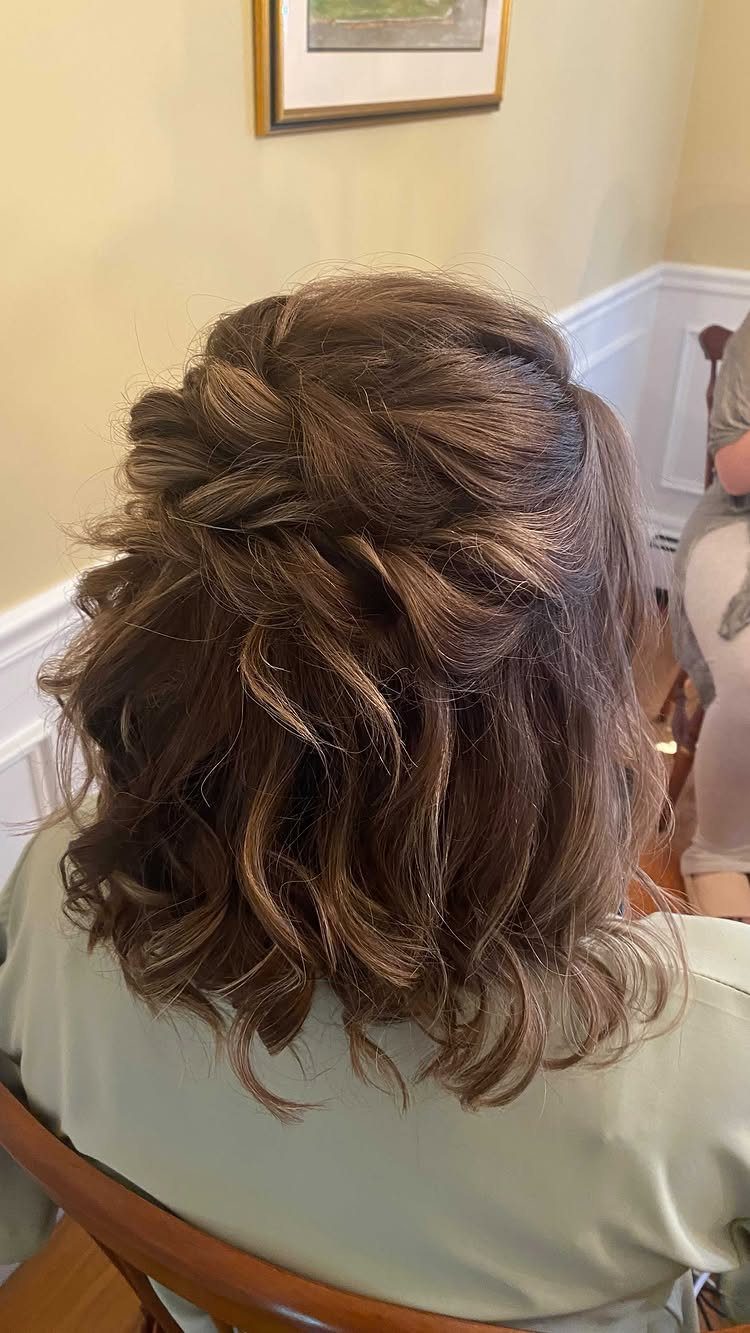
Pinning back just the top section of loose waves leaves a stable spot for the veil comb, and the rest of the hair stays free below it.
Anchor the comb under the pinned section, where it has hair to grip, and the veil won’t slide as the day goes on.
I like this look for brides who want their hair off the face but still moving. Texture helps here, so a day-old curl usually holds a pin better than a freshly washed one.
2. Side-Swept Curls with Veil
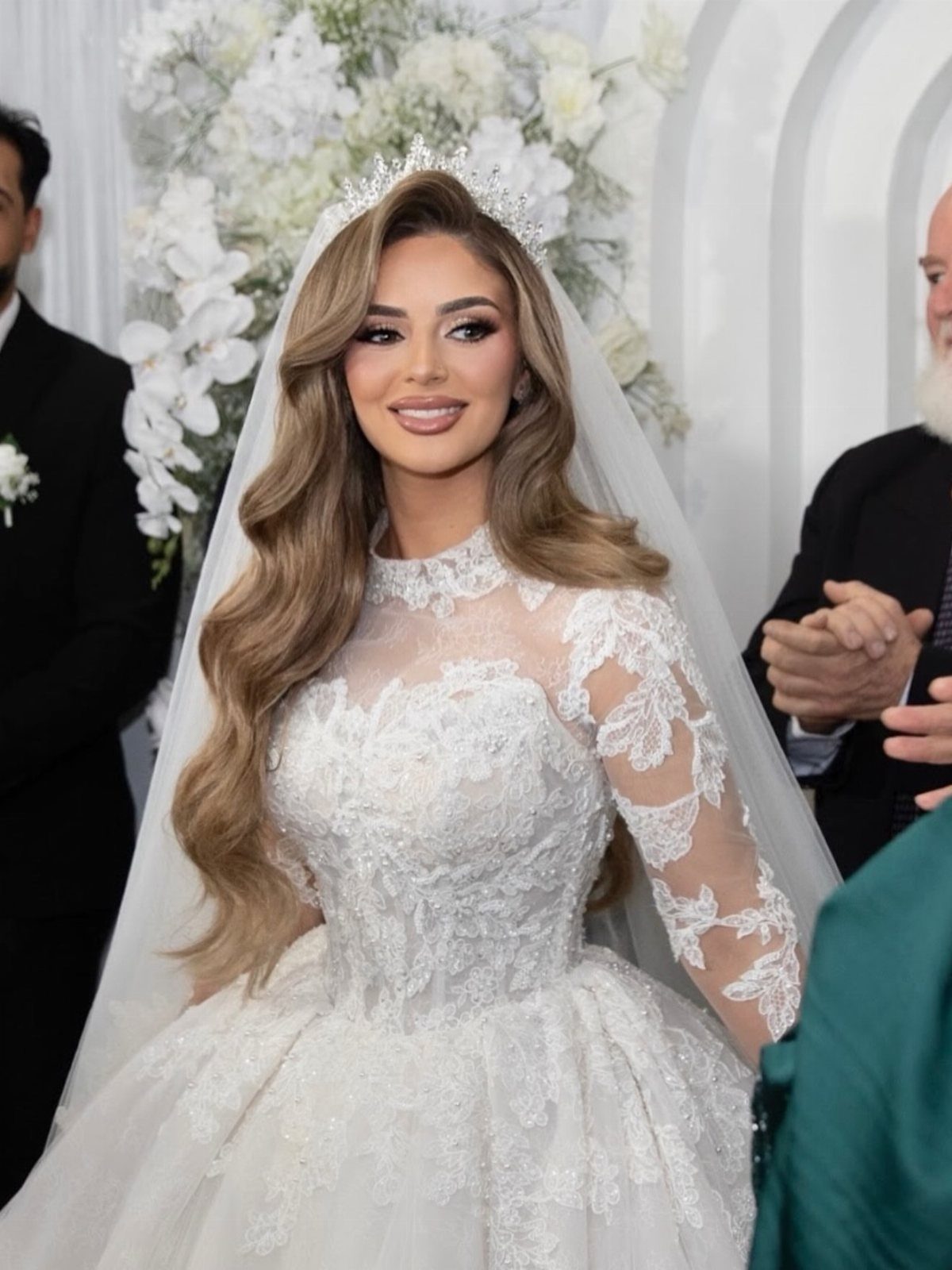
Curls swept to one side leave the other side open, which shows off a tiara and keeps the veil in view from the front.
Place the tiara first, then tuck the veil comb just behind it so the two read as one piece.
Lace sleeves or a lace bodice pair well with this, since the sheer veil adds no extra pattern. If your dress is already ornate, I would keep the tiara simple.
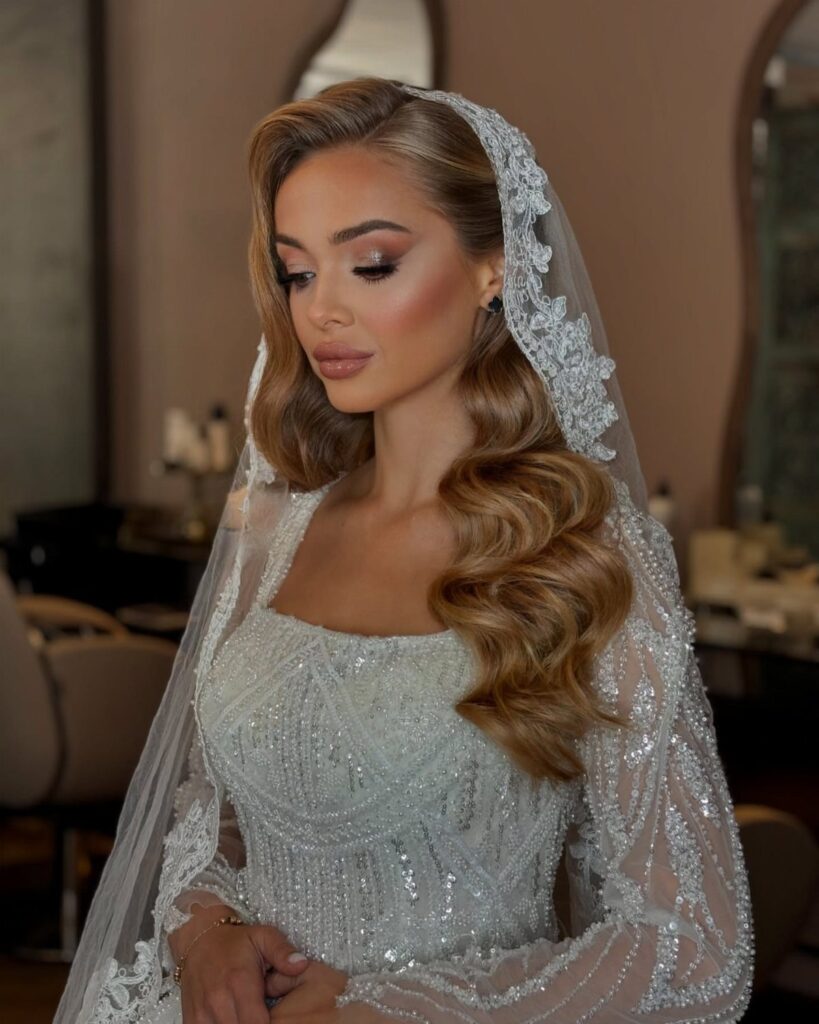
3. Hollywood Waves with Pearl Veil
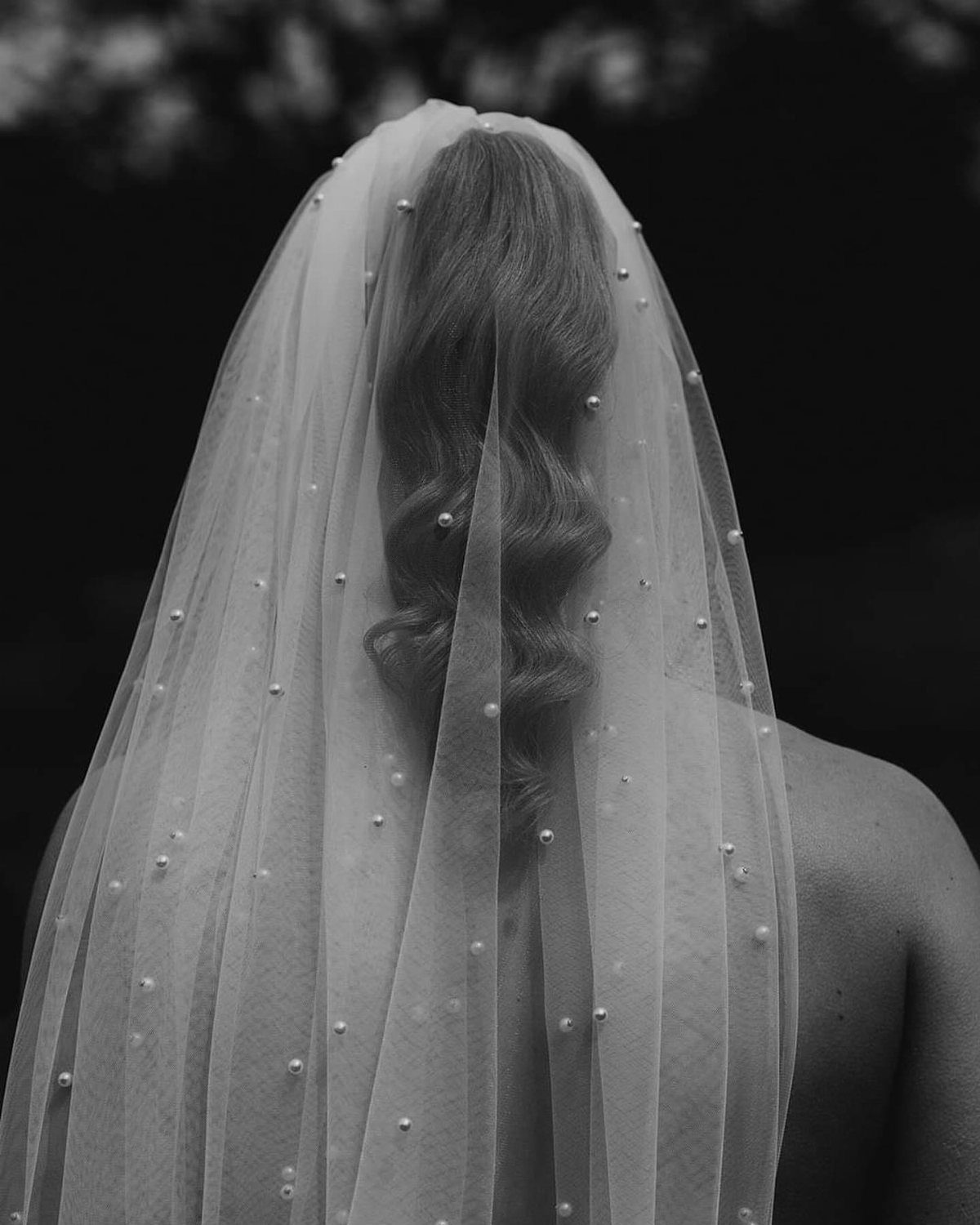
Polished Hollywood waves bring old-Hollywood glamour, and a sheer veil with pearl embellishments adds elegance without competing with the sculpted ripples.
Keep the waves smooth and brushed out so the pearls catch light against clean lines. I prefer a veil with pearls spaced lightly, because a heavy scatter fights the wave pattern.
Ask your stylist to set the waves before the veil goes in, so it can be placed once and left alone.
4. All-Down Curls with Hairpiece and Veil
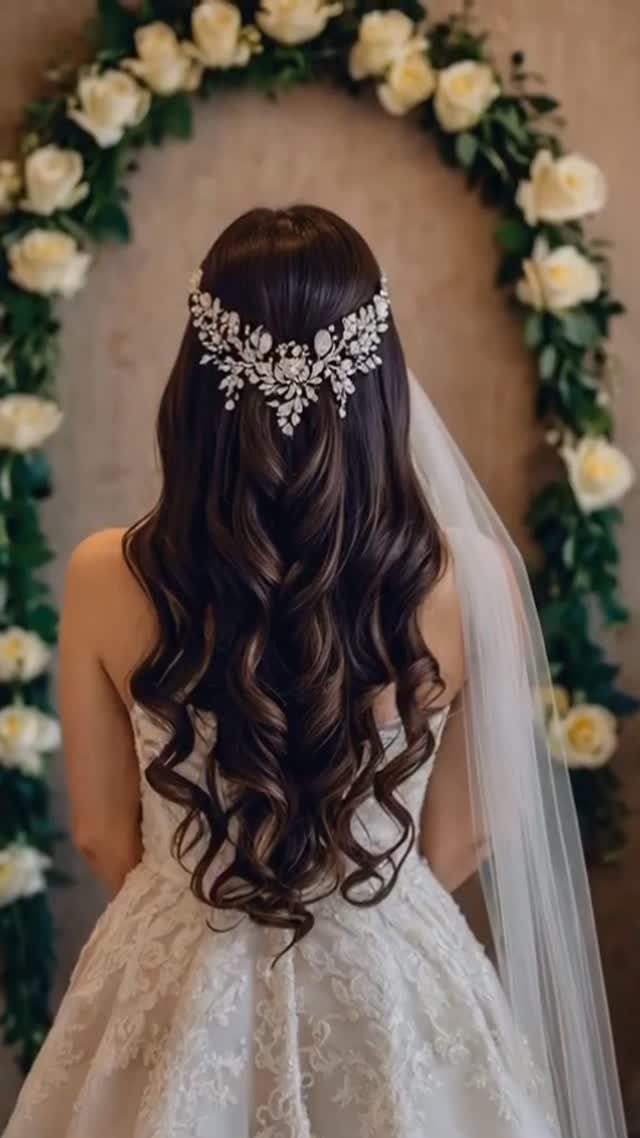
Long curly hair worn fully down already has volume, so an ornate floral hairpiece sits best at the crown or the back, where curls can frame it. Slide the sheer veil in beneath the hairpiece so one anchors the other.
This pairing suits a lace dress, since the veil stays light while the flowers carry the detail. Skip a second statement accessory; the curls and flowers already fill the frame.
5. Long Wavy Hair Down with Veil
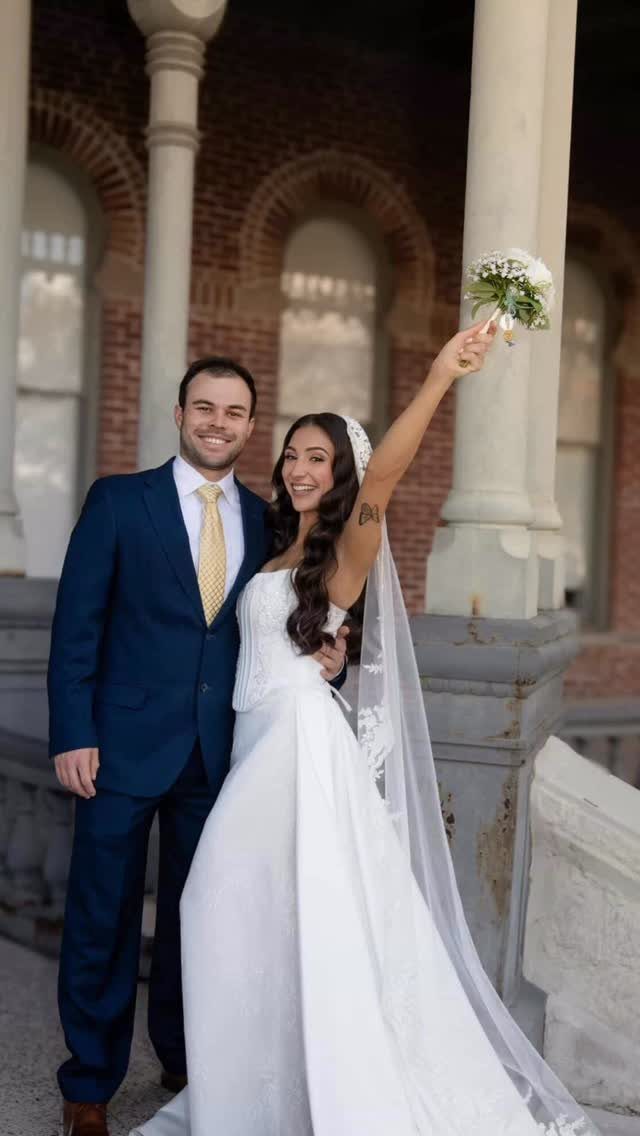
Long, dark waves hanging loose are the simplest answer to a veil: nothing to pin up, nothing to compete.
Set the comb high on the back of the head, and the veil will drape over the waves instead of sinking into them.
A looser wave looks natural against a sheer veil. A tight curl would crowd it, and that is the one adjustment I would avoid.
6. Down Hairstyle with Floral Accent and Veil
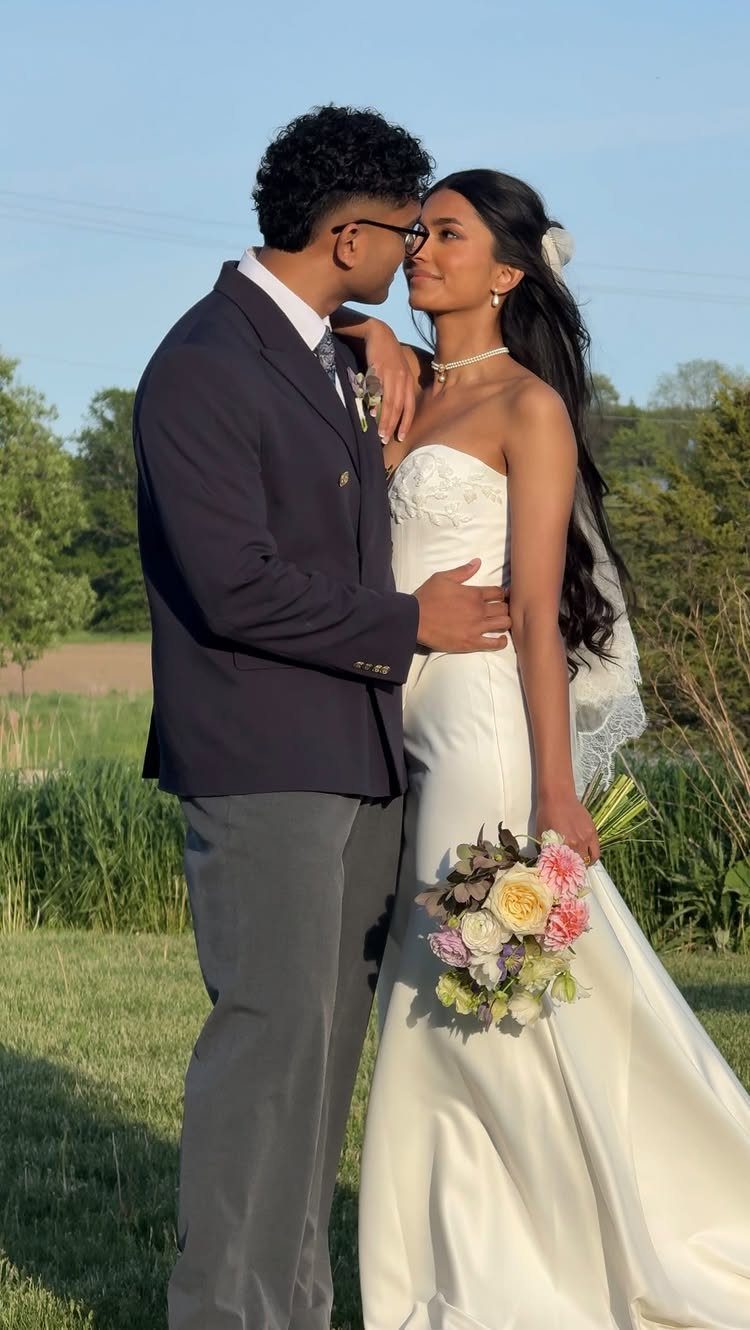
One fresh white flower tucked into hair worn down makes the quietest accent available, and a flowing veil finishes it. Set the flower beside the veil comb, not on top of it, so neither hides the other.
Dark hair shows white petals well. Fresh blooms wilt, so ask your florist about pinning one in just before the ceremony, and carry a spare.
How to Secure a Veil
To stop that, start with a small hidden ponytail, a section gathered out of sight, so the comb has something firm to grip.
Test the hold at your trial by turning your head, hugging someone, and moving the way you will at the reception.
Choosing the Right Veil
Choose the veil and the hairstyle together, not as 2 separate decisions. Lighter veils suit loose hair best.
Hair type matters too. Fine or straight hair slips more, so a hidden braid underneath gives the comb grip, while thick or curly hair usually calls for sturdier pins.
Check your dress and venue. If the back of your dress is detailed, I’d wear your hair up so it shows; with a simple dress, curls or waves have room to shine.
For an outdoor ceremony, wind will move loose hair and humidity can undo smooth styles, so I’d ask your stylist for a stronger hold.
Decide when the veil comes off, too. Your hair should look finished without it.
Professional Hairstyling
A professional stylist earns the fee because the veil only gets worn once, and the hair has to hold up under its weight.
A good stylist knows how a comb sits, where the pins go, and how the style will look after the veil is removed.
At your trial, wear the real veil you’ll use on the day, since a substitute won’t behave the same way. Wear the dress or at least a similar neckline so you can judge the full picture.
If anything shifts at the trial, fix it then, not on the wedding morning.
Frequently Asked Questions
Can I wear my hair down with a veil?
Yes, and long waves or curls are among the easiest looks to pair with one. For loose waves, slide the comb in near the crown so the tulle falls over the curls and the hair keeps its shape underneath.
Loose hair gives the comb less to grip, so a small hidden ponytail or braid underneath is what keeps it in place.
What veil length works best with my hairstyle?
A fingertip veil or a light chapel length gives loose hair the least weight to fight against. A heavy cathedral veil is harder for loose curls to support, since its weight pulls on the comb.
Your dress decides the rest: a detailed back deserves an updo so people can see it, while a plain back leaves room for waves or curls to take center stage.
How do I make a veil stay in fine or straight hair?
Slippery, fine strands give a comb very little to hold, so I’d tuck a small braid or a bit of teased hair beneath the top layer and anchor the comb there. Thick or curly hair usually needs sturdier pins instead.