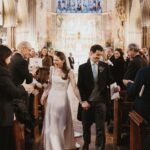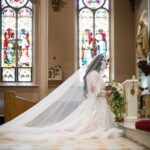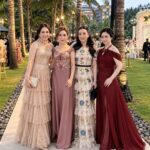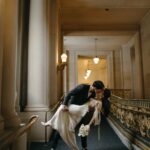
Most of these photo ideas cost nothing but a few minutes on the schedule, though the Sparkler Exit, Colorful Smoke Bombs, and Aerial Shots of the Wedding Venue need sparklers, smoke, or a drone that venue rules may not allow.
Which ones you pick depends on what you hired your photographer to do: a short shot list of 2 or 3 must-haves leaves room for the rest, and a long list of required poses crowds it out.
I’d start with the moment you’d hate to lose, such as the sparkler exit, which needs a flat, clear path and full darkness.
1. The First Kiss
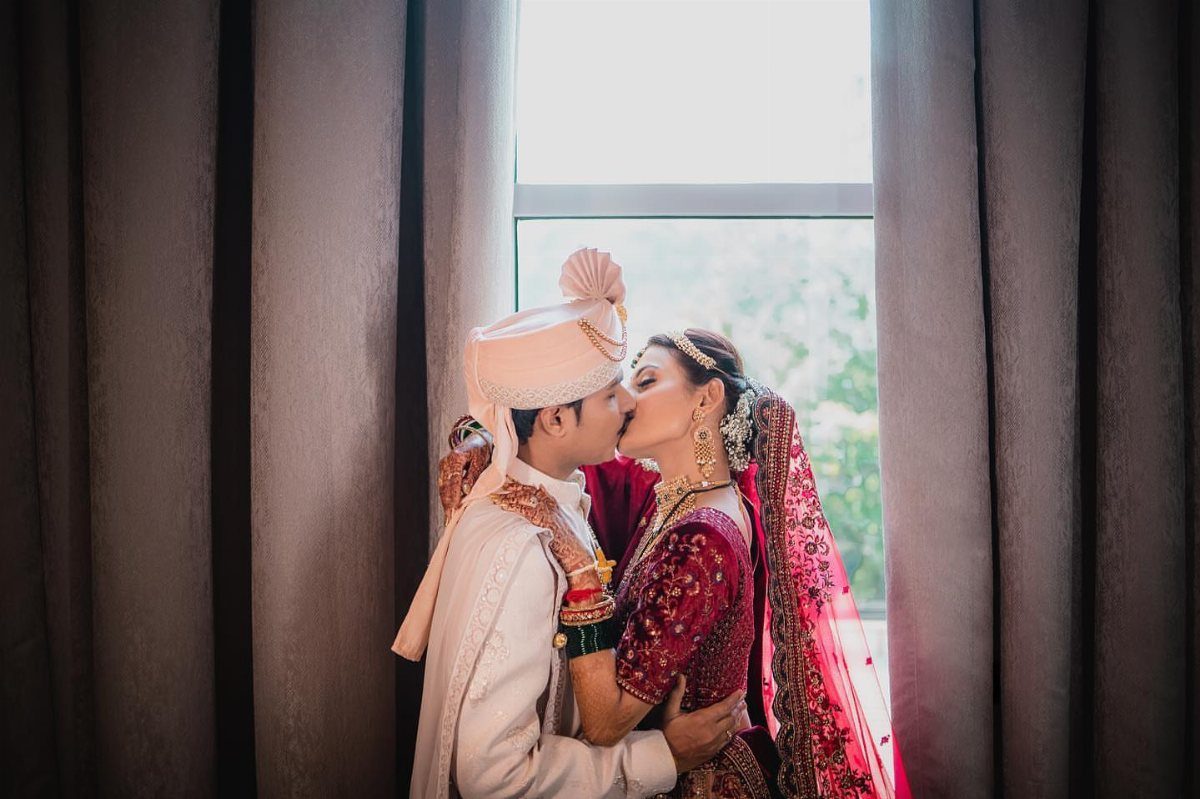
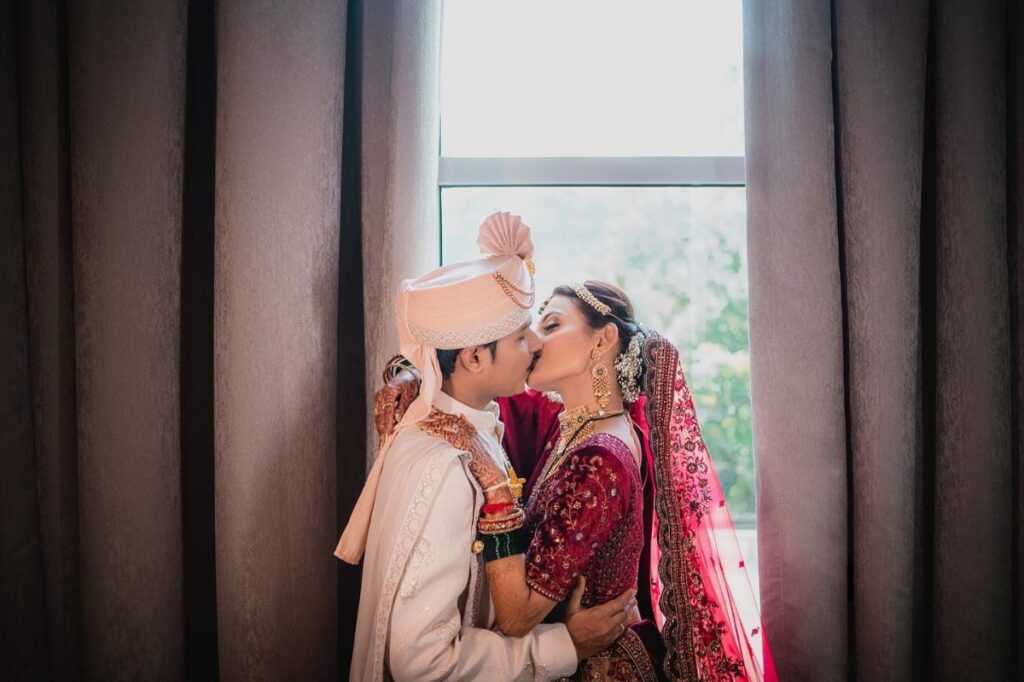
Sunlight from a window does most of the work in a first kiss portrait. Placing the couple beside one lets the light fall across both faces and keeps the background simple, so the kiss stays the focus.
Traditional wedding attire adds color and texture, and a quiet backdrop like curtains keeps those details from competing with each other.
Ask your photographer to shoot a few frames in a row. The best kiss usually lands a beat after the first one.
2. Bridal Portraits
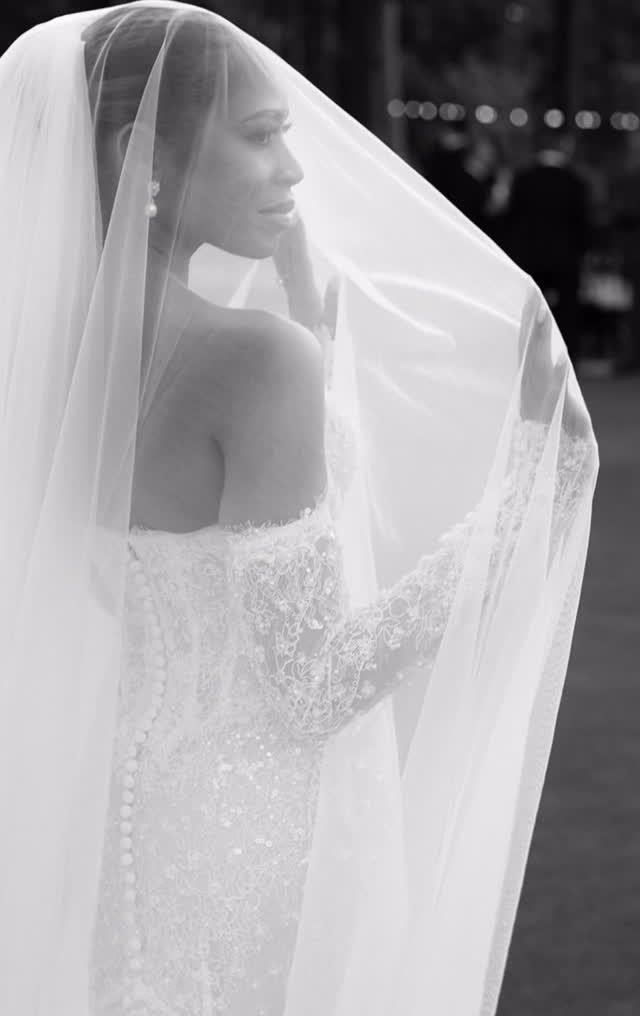
Black and white strips a portrait down to shape, lace texture and the line of a long veil. I like it for solo bridal shots because nothing distracts from the dress.
Blurred lights behind her give a soft, nighttime glow without crowding the frame.
Shoot the bride in profile if the veil length and lace detail both matter to you, because one frame can hold the full edge of the veil and the pattern along the bodice.
Pick one or two dress details you love, such as the lace or the veil, and tell your photographer before the shoot so they build the pose around them.
3. Reception Decor
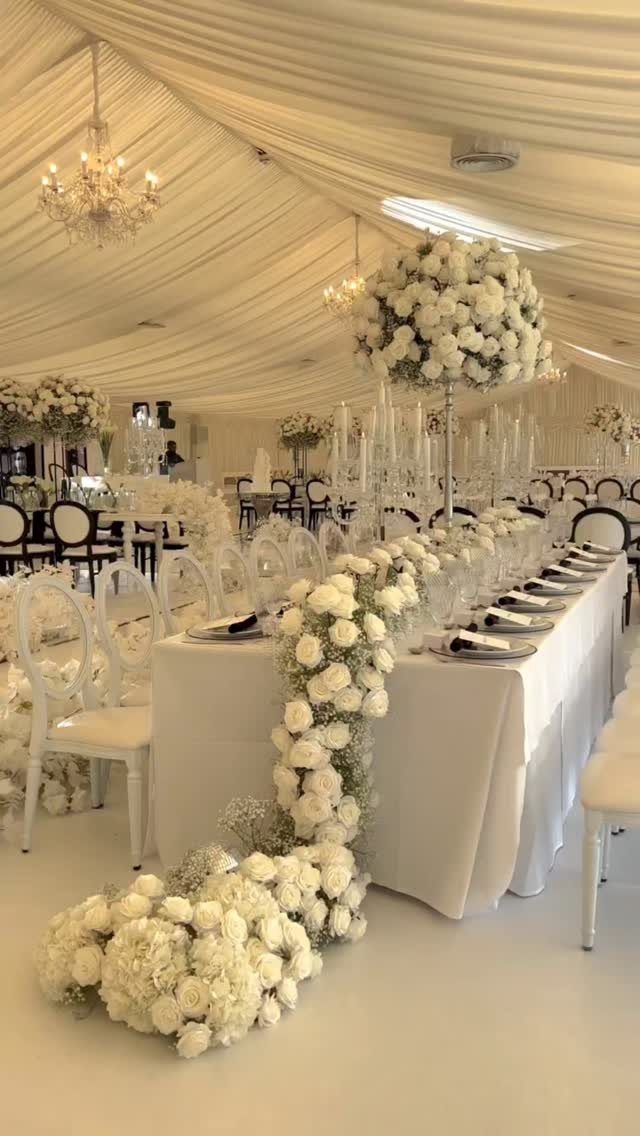
Guests change a room fast, so ask your photographer for some time alone with it before the doors open. Tables, centerpieces and chandeliers look their cleanest then.
A setup like a white draped tent with long tables and tall rose centerpieces rewards wide shots down the table length, plus close ones of the floral runner.
Spending on florals and lighting only pays off if someone photographs them, so put that time on the schedule.
4. First Look
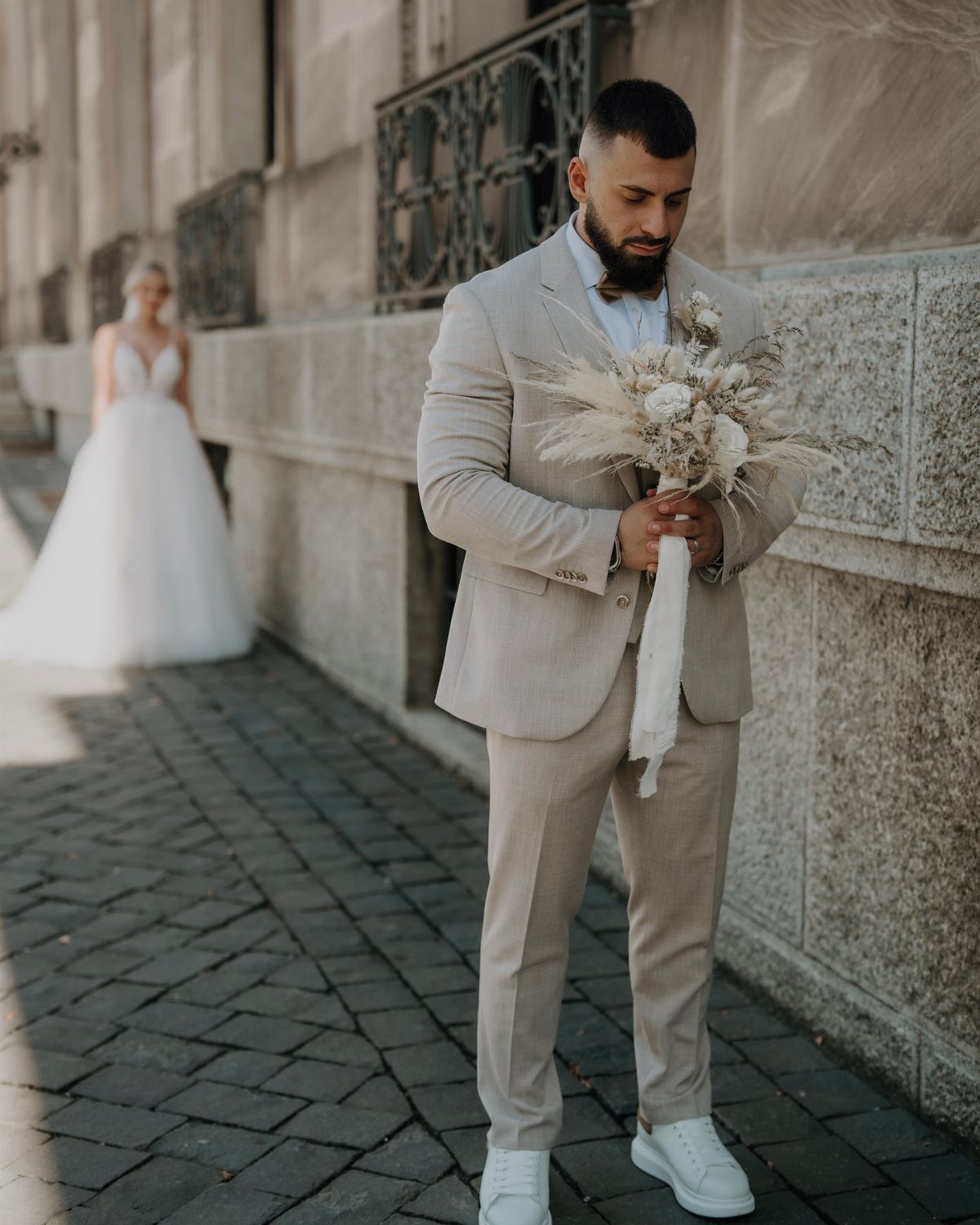
A first look happens on a quiet street, with just the couple and a photographer standing back. Seeing each other before the ceremony lets nerves settle while the light is still good.
Even a shot of the groom alone, holding the bouquet while the bride waits out of focus behind him, has a story in it. Ask for one frame from each side of the reveal.
Pick a location with space and no crowd. A cobblestone street works because the surface adds texture without clutter.
5. Sparkler Exit
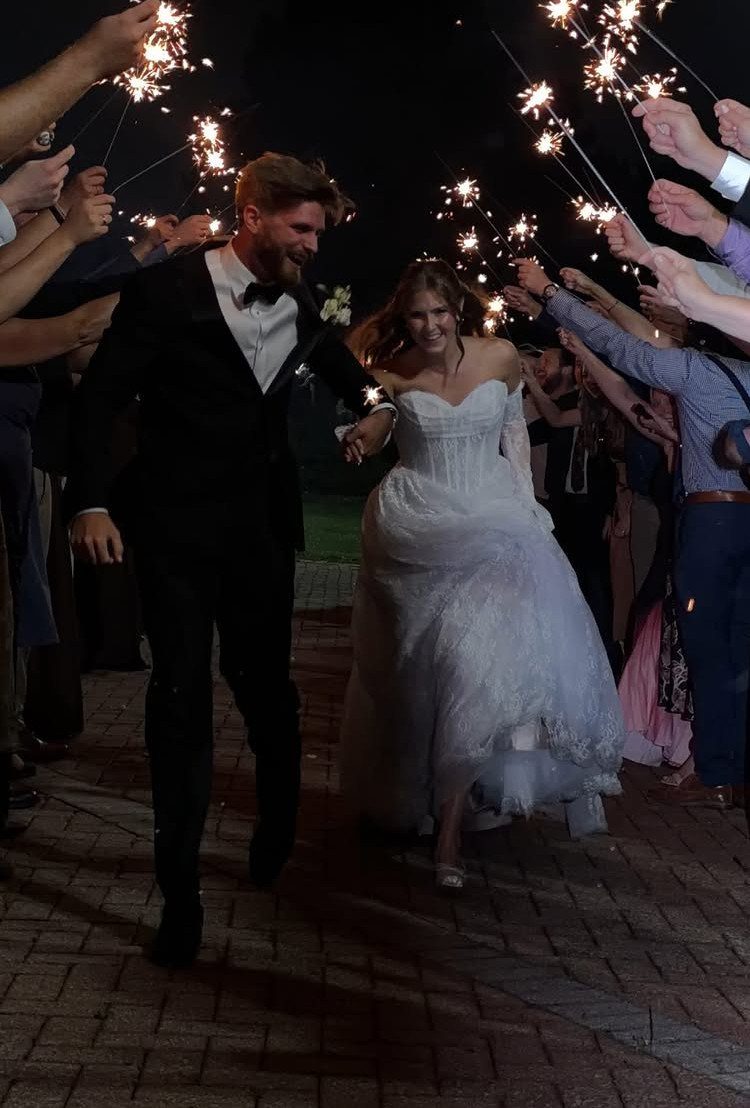
Guests lined up on both sides with lit sparklers make a glowing tunnel for the couple to walk through. It works best after dark, on a flat, clear path like brick.
Hand out sparklers early and have someone light them all at once, so the tunnel fills fast. The couple should walk slowly, because photographers need a few seconds to get the shot.
Check venue rules on open flame before you buy a single box.
6. Fine Detail Flatlay
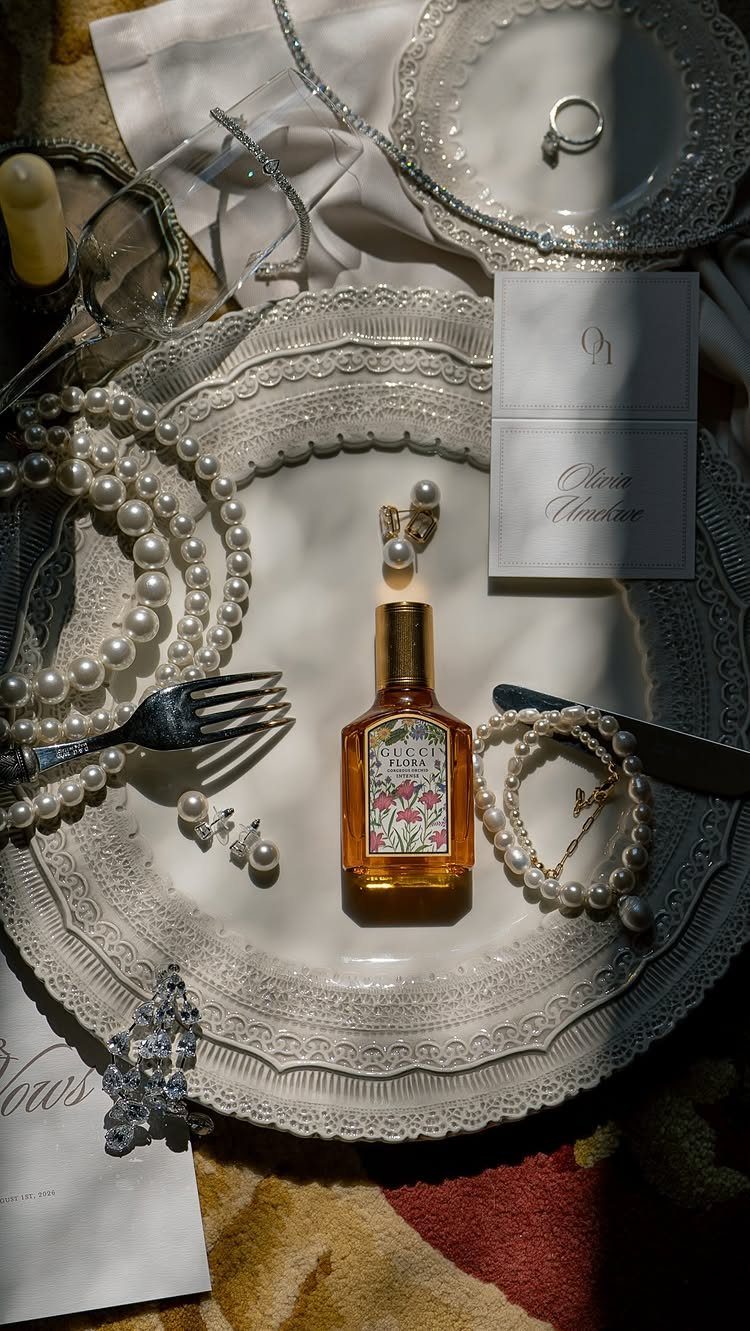
A single plate can hold a whole morning: perfume, pearl necklaces, a ring and other jewelry, plus a name card to tie it together.
Shoot the flatlay on a white lace base to keep the colors soft, so pearls and metal pieces stand out.
Gather everything before the photographer arrives, so the flatlay isn’t rushed. Layer pieces at different heights and leave a little empty space around the ring.
I would choose items with meaning over items that merely look good.
7. First Dance
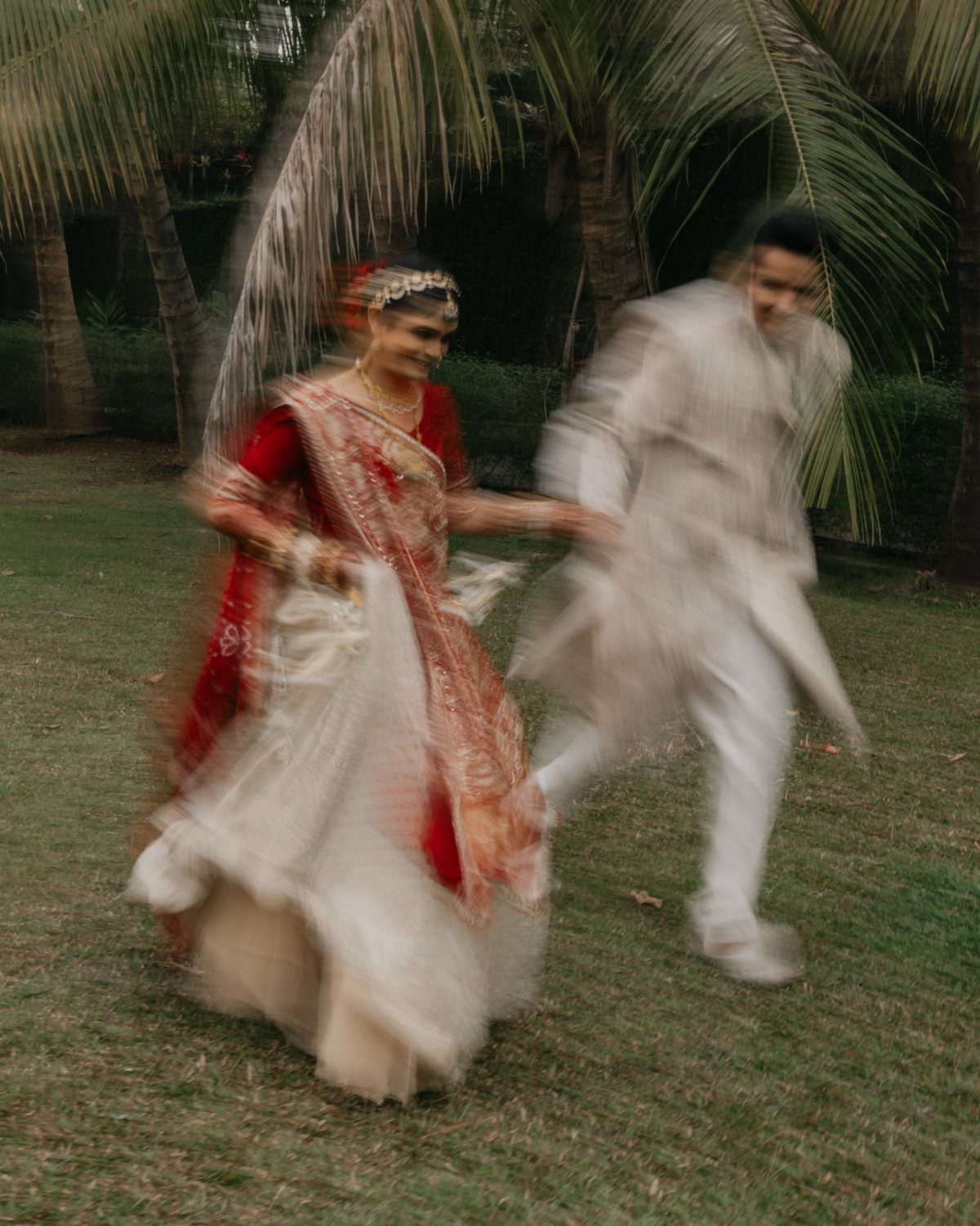
A swirl of fabric across a lawn reads as joy, and the blur keeps the focus on movement instead of perfect poses.
Ask your photographer for a few slower shutter frames next to the sharp ones. Some will be mush, but one or two usually carry the feeling.
Pick a spot with open space, so skirts and sleeves have room to fly.
8. The Last Dance
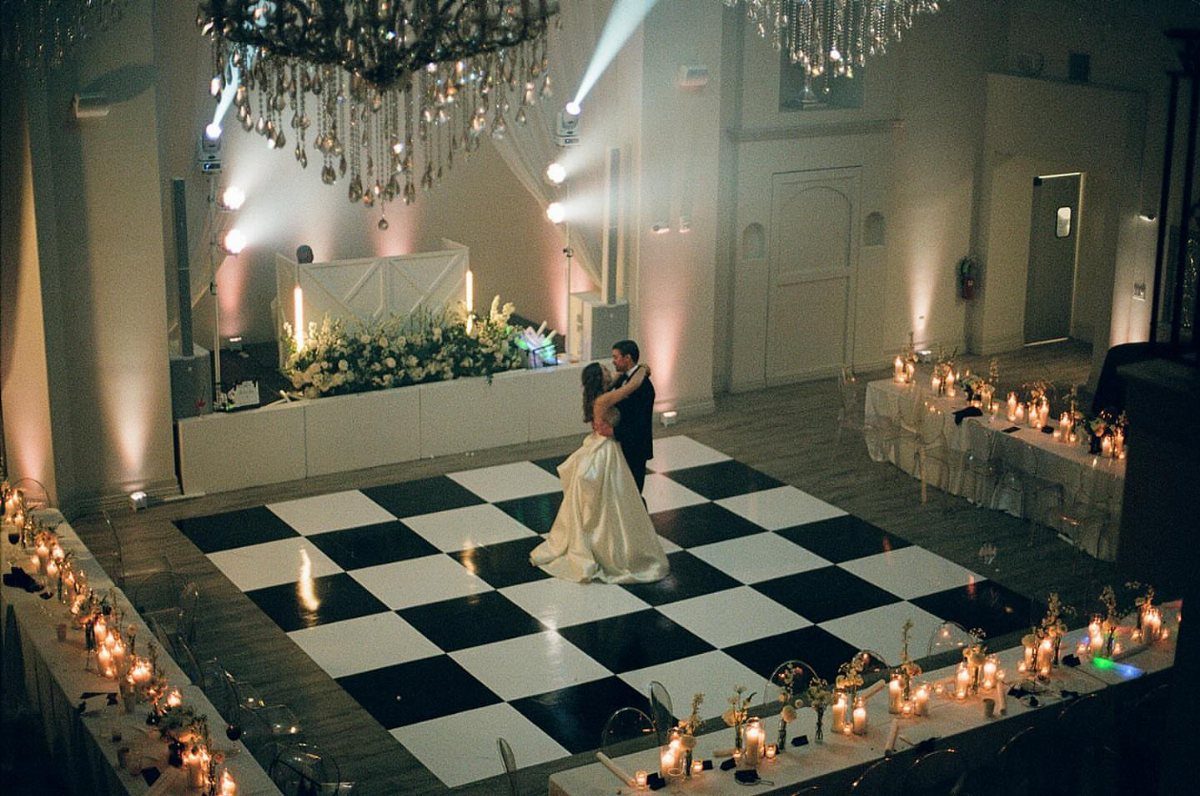
A last dance closes the night and gives you a second chance at dance photos, with the formality gone.
Tell your DJ or band which song ends the night, then tell your photographer so they are in position before it starts.
I would keep it just the two of you, close and slow.
9. Wedding Ceremony Photos
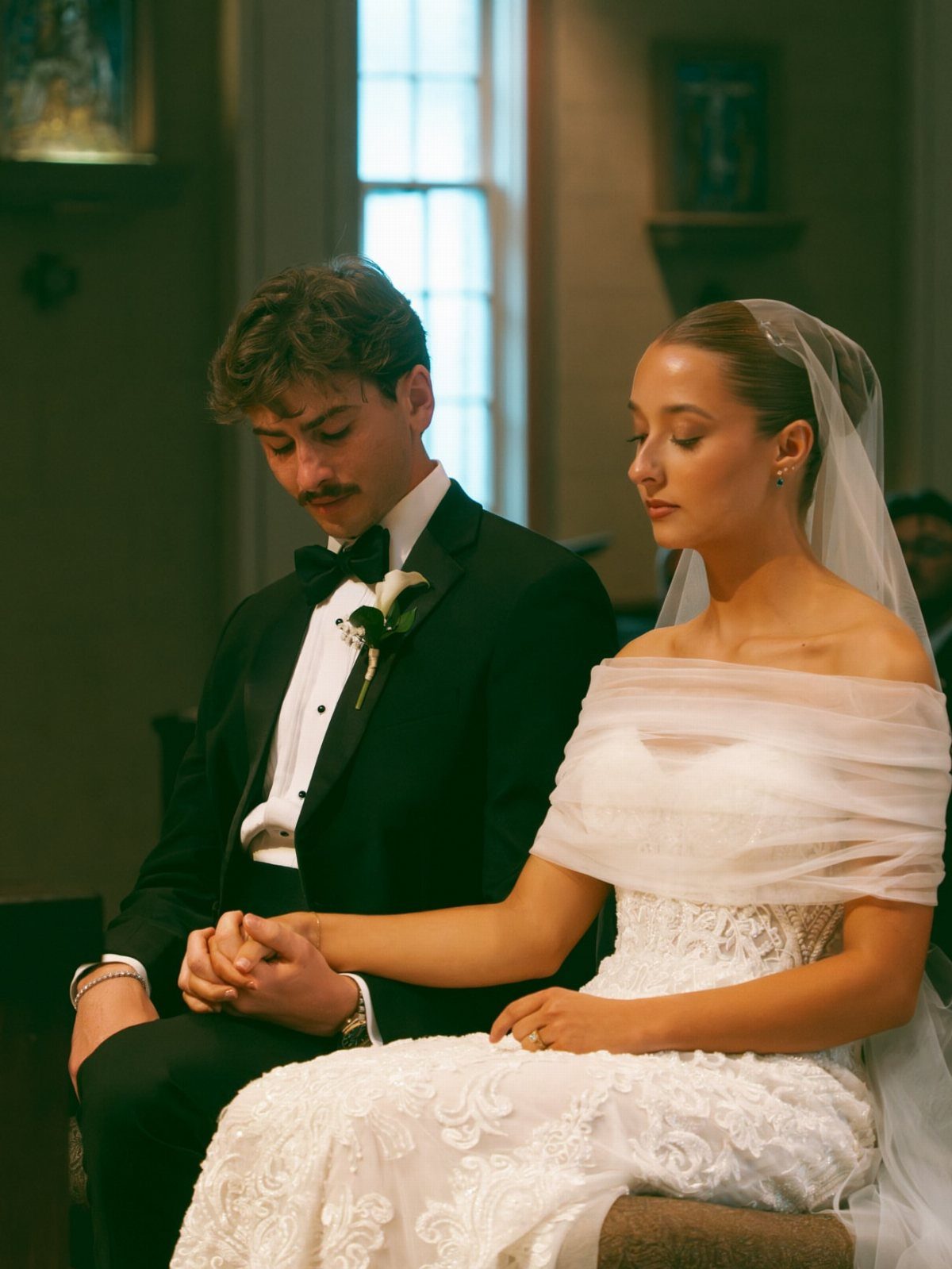
Sitting side by side during the ceremony gives you a quiet frame that the walk down the aisle never does. Hands held, veil settled, nothing staged.
Before the day, ask your photographer which moments they plan to catch: the vows, the ring exchange, the walk out. Put any must-have shot on a short list.
Check with the officiant about where the photographer may stand, since church spaces often have rules.
10. Candid Moments
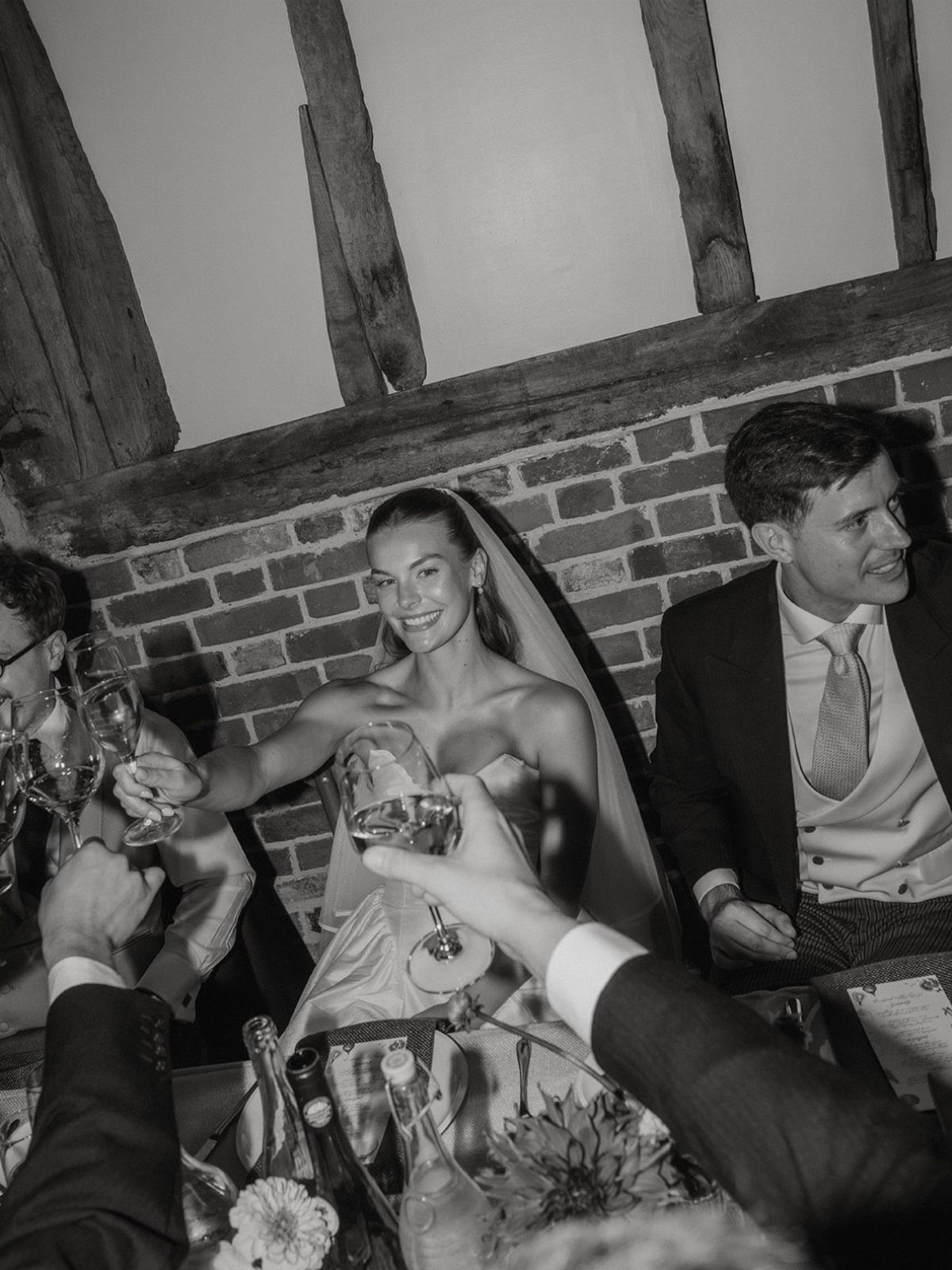
Candid photos catch what posed ones miss: a laugh mid-toast, glasses meeting across a table. Black and white keeps attention on faces and cuts the clutter of a busy reception.
Tell your photographer you want unposed coverage, then let them work. Staying in conversation with guests helps more than looking for the camera.
I would pick candids over a long posed list for the reception.
11. Wedding Party Photos
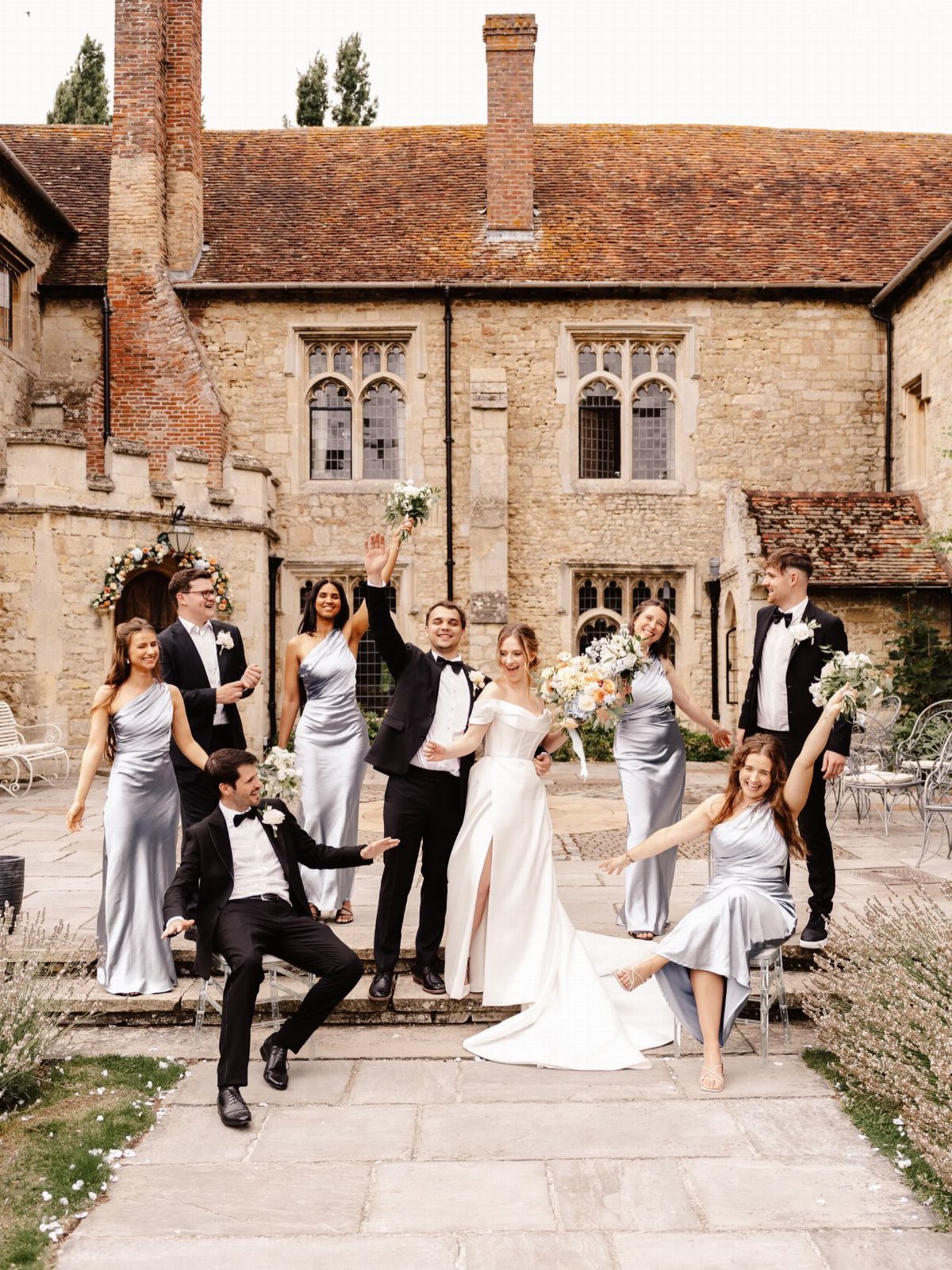
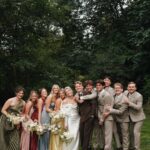
A wedding party photo works when the group looks like friends instead of a lineup. Playful poses, with people leaning in and laughing, beat stiff rows.
Matching colors hold a wedding party photo together, so pick one or two shades that sit around the bride’s white, like silver and black. A stone building behind gives texture without stealing focus.
Pick a time when everyone is present and fed, and ask for one serious frame and one silly one.
12. Cake Cutting
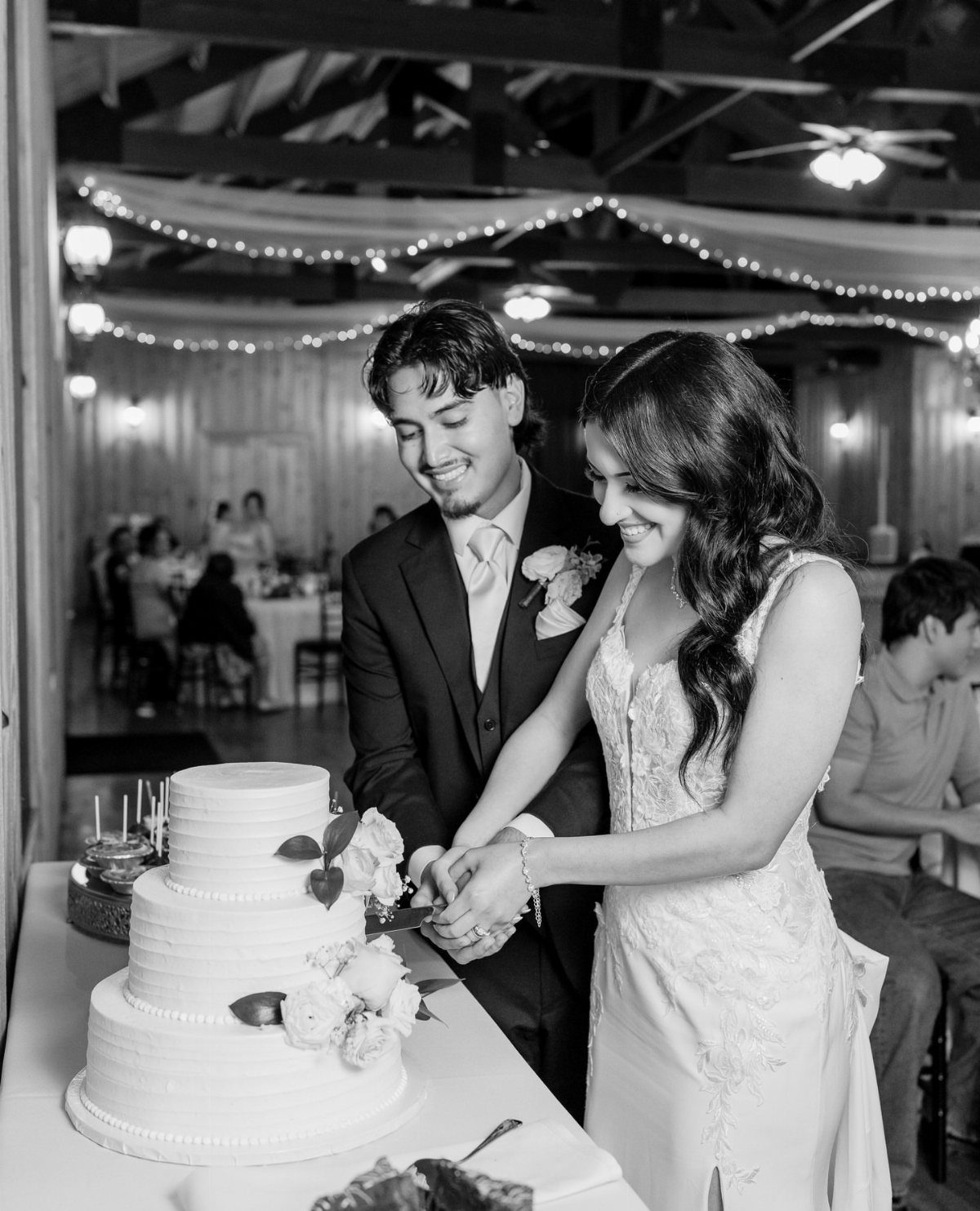
Cake cutting is a short moment, so plan it. For the cake cut, keep both hands on the knife, shoot the tiers straight on, and leave guests visible behind you so the moment has context.
Tell the photographer when you plan to cut, and ask the DJ to announce it so people gather. Hold the pose a few seconds longer than feels natural.
Black and white works well here because a plain white cake reads cleanly without color competing.
13. The Veil
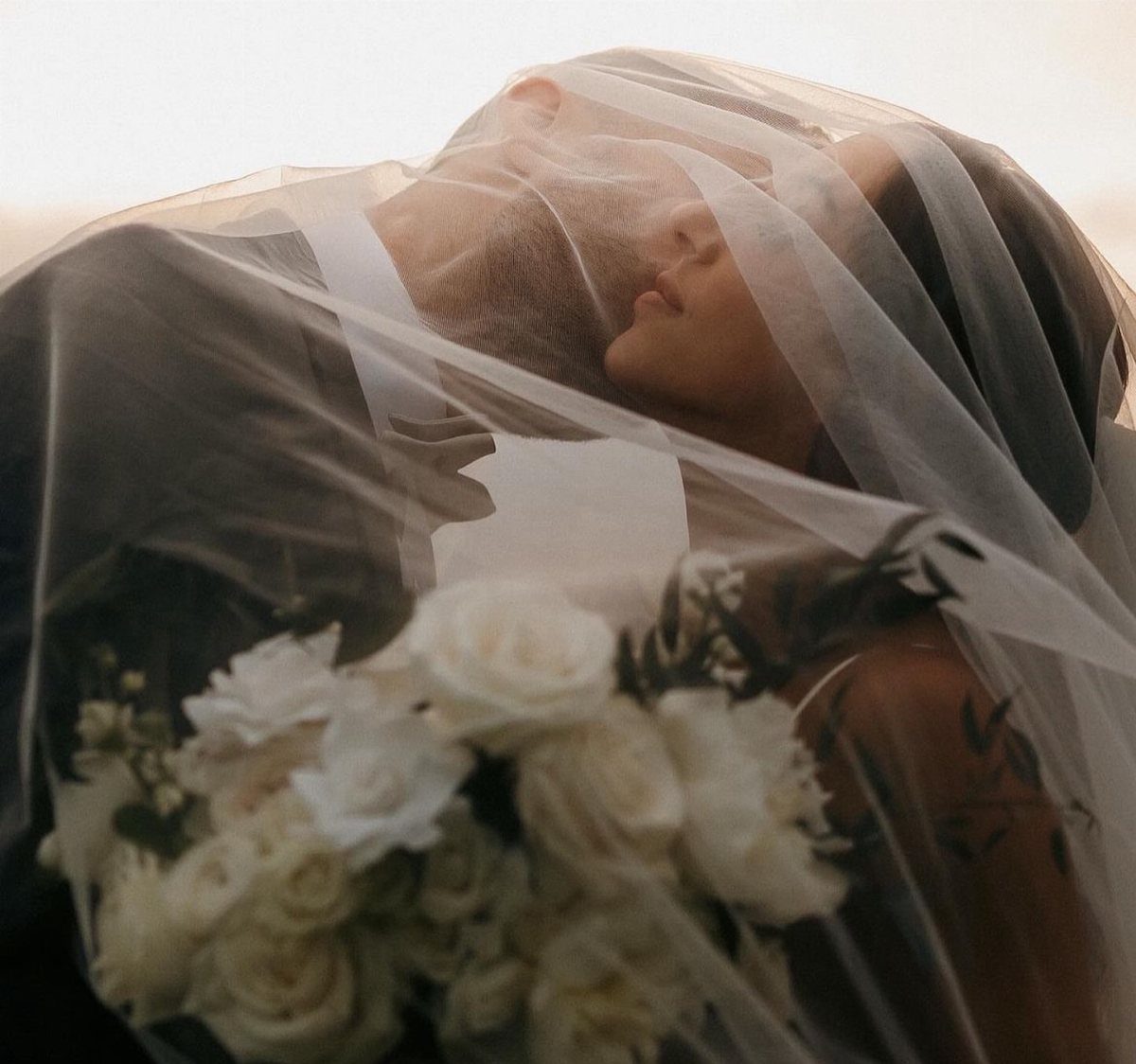
A sheer veil pulled forward over both faces turns a close-up into a shared frame, and a foreground of white roses adds soft texture without crowding the couple. I like this version for couples who want something intimate.
Ask your photographer to try a few different veil moves: draped over both of you, lifted in the wind, or held still during an embrace. Keep the bouquet low and in the foreground so the faces stay sharp.
Pick two or three of these before the day and put them on the shot list.
14. Toasts and Speeches
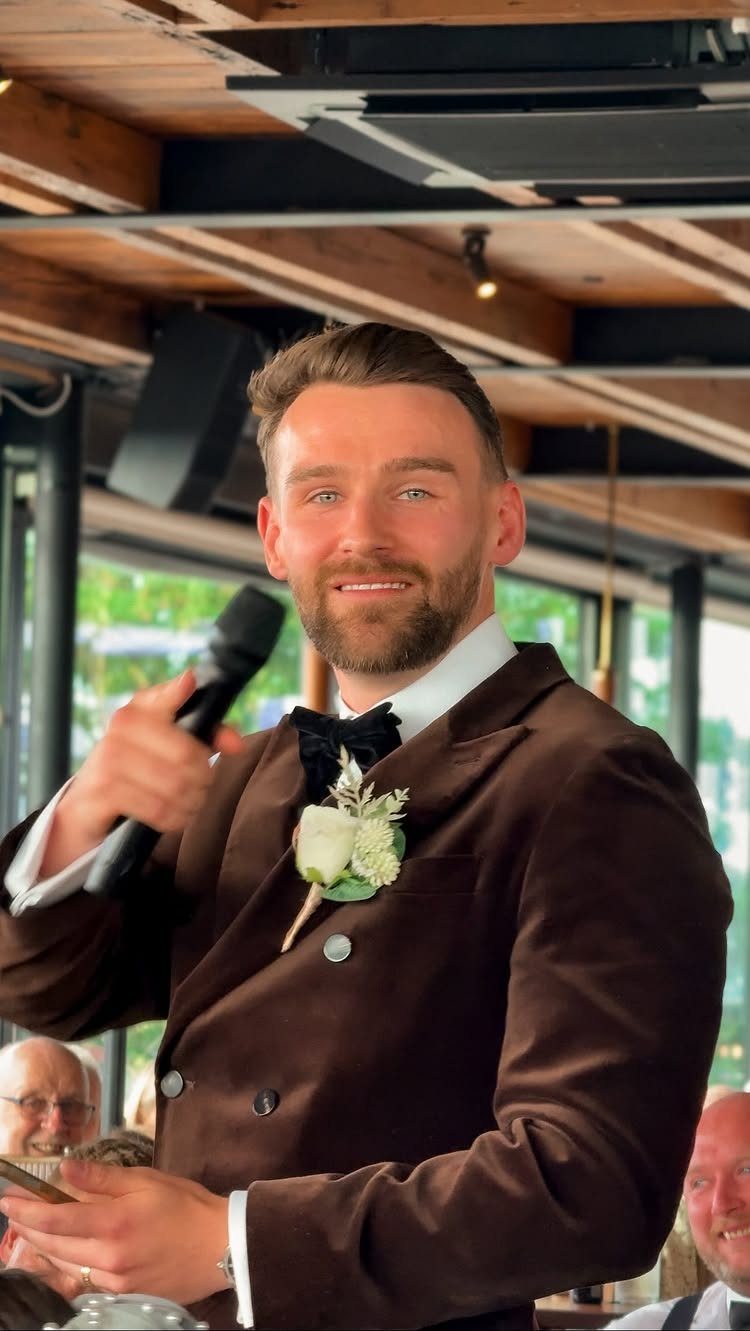
Pairing the toast itself with shots of the guests reacting, the room, and the decor gives the moment its context.
Tell your photographer who is speaking and in what order, so they can move to a clear angle before each person starts. Ask the DJ to keep the microphone below chin level, since it can hide a face.
Reaction shots from the tables are worth a few frames too.
15. Colorful Smoke Bombs
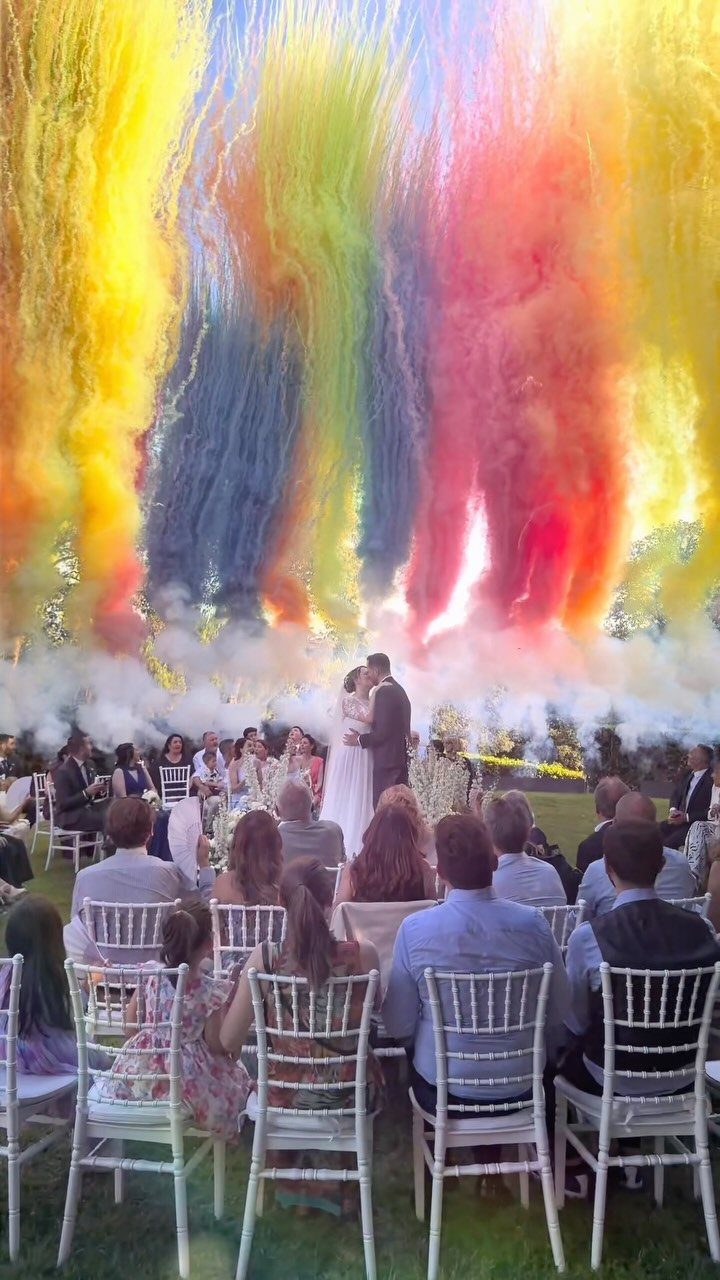
Smoke in yellow, green and red turns a kiss in front of seated guests into a loud, saturated frame, so I’d plan the burst for the exit or the kiss and tell guests ahead of time.
Use it for group shots and the couple’s portrait, where the color can fill the whole background.
Check venue rules before you buy anything, since smoke and open space matter. Plan the timing with your photographer so the plumes are at full height when the kiss happens.
I would use it once, on purpose, rather than scatter it through the day.
16. Aerial Shots of the Wedding Venue
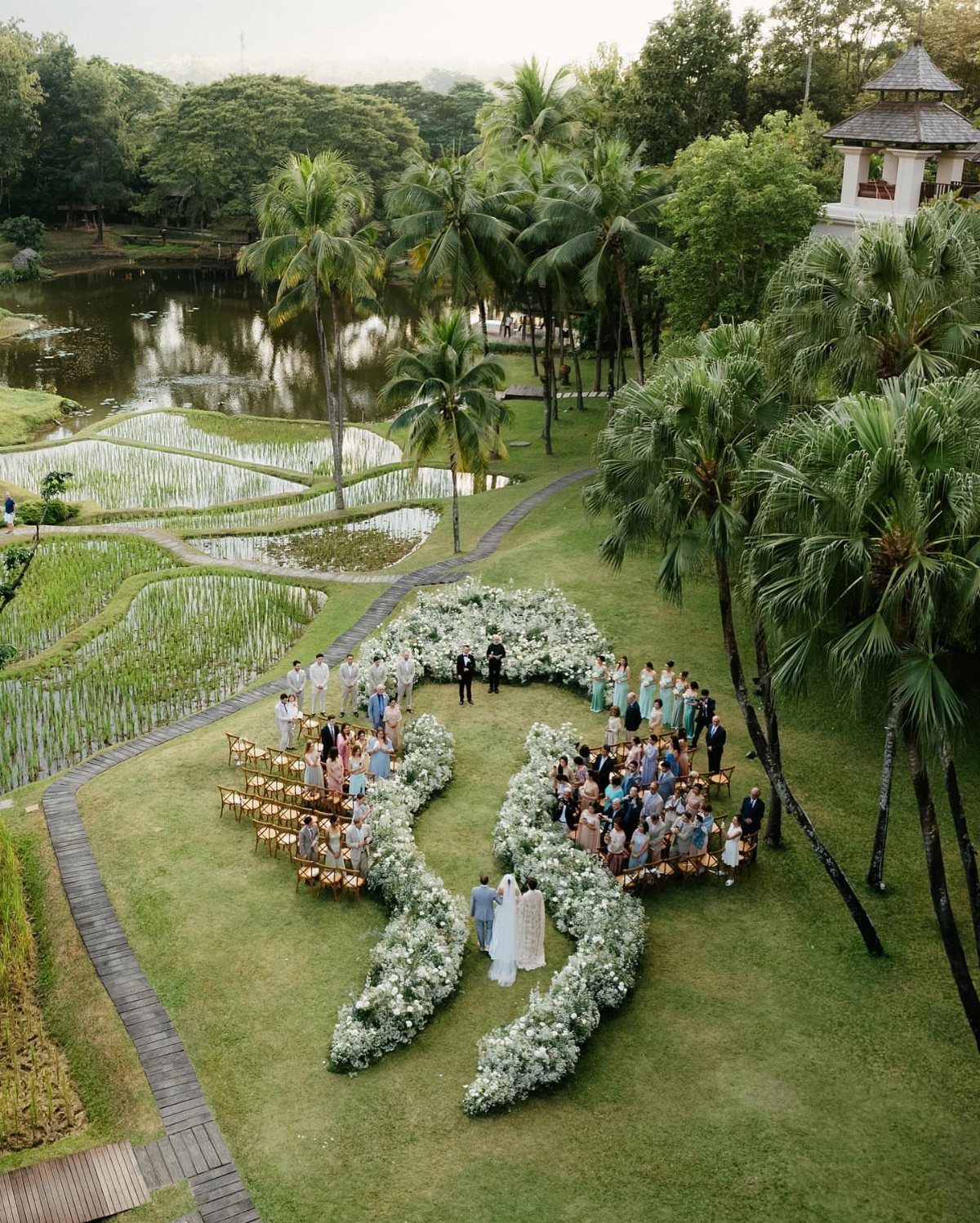
Shot from above, a ceremony becomes a pattern, and a drone works best when the aisle layout, florals and seating form a clear shape on open ground like a lawn. Only a drone or high vantage point catches that.
Ask your photographer whether they offer aerial work, and have the florist build the shape large and simple so it reads from the sky.
Venues may have rules on flying, so ask before booking anyone.
17. Exchanging Letters
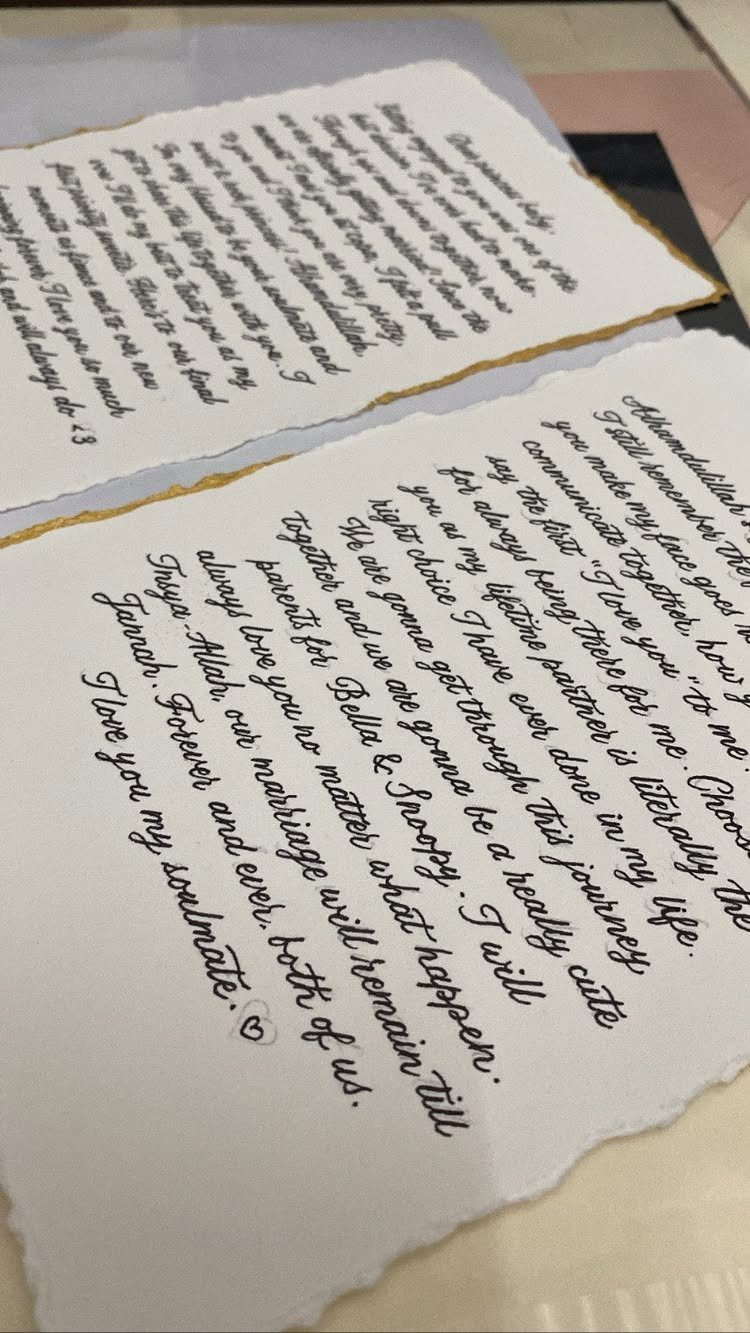
Handwritten letters on torn-edge paper carry more than a card does, because the cursive, the private jokes and the nicknames are yours alone. Write them a few days ahead, not the morning of.
Ask your photographer to shoot the reading, then a close frame of each page laid flat on a plain surface.
Keep the letters themselves private if you prefer; the paper and your faces while reading tell the story.
Importance of a Shot List
A shot list takes pressure off the day itself. Once the must-haves are written down, nobody has to remember them while a cocktail hour is running late.
Start with the people: both of you, the wedding party, and each family grouping. Then add the small things that disappear after the day: bouquets, boutonnieres, your invitation suite, shoes, rings, favors, welcome bags, escort cards and signage.
Wide shots of the ceremony space and the reception room deserve a spot on the list too, right next to the close-ups of the decor. Add the getting-ready scenes, the moment guests arrive, and the dance floor once it fills.
Keep the list short enough that your photographer still has room to work. A few lines of specifics beat 3 pages.
Choosing the Right Photographer
Ask to see full galleries instead of highlight reels, and hire the photographer whose style will still look good to you long after the trends have moved on.
Ask how they handle the moments you care about most, and whether they understand how your day will run.
Ask whether a second shooter is included. That second person can catch the details, or a family reaction, while the lead stays with the two of you.
If you are marrying far from home and have no recommendations, vetted directories and social media are good places to start.
A photographer buried under a long list of required poses has less room to do what you hired them for.
Timing for Photos
Most couples take formal portraits, wedding party photos and family photos between the ceremony and reception, while guests enjoy cocktail hour. The cost is that you miss some of that hour yourselves.
A first look moves those photos before the ceremony, so you can join your guests afterward. I lean toward it for anyone who wants to be at cocktail hour.
Photos of the welcome party, the rehearsal dinner and the morning-after brunch cost extra coverage, so ask about those events when you book. Those are usually separate conversations with your photographer.
Plan decor shots ahead of time too. Food service often changes how a table looks, so a photo taken before dinner may show it at its best.
Frequently Asked Questions
What are the must-have photos for a wedding?
Lead with the people: the two of you, your wedding party, and every family combination you want on the wall. Keep the list short so your photographer still has room to work.
When should we take wedding photos so we don’t miss the party?
Choose a first look to keep cocktail hour for yourselves.
Portraits, wedding party shots and family groups all happen before the ceremony, which frees you to walk straight into the party afterward. The usual alternative is shooting between the ceremony and reception, which costs you part of that hour.