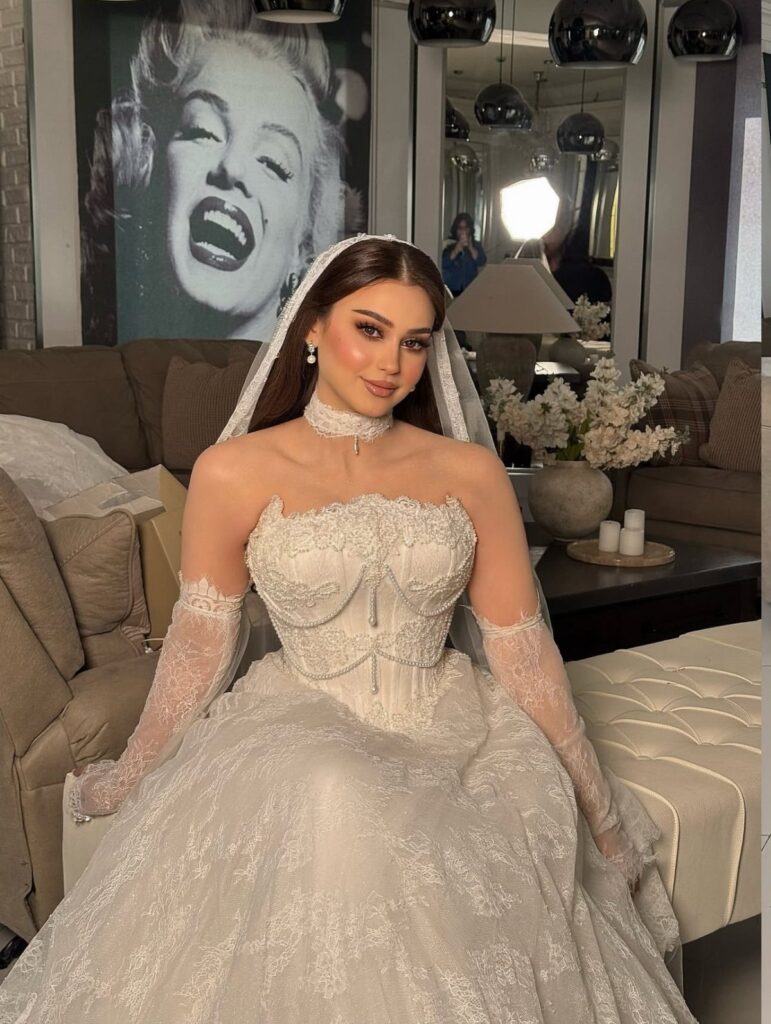
These 8 corset dresses run from a fully covered bolero look to sheer fabric with visible boning, and the right one depends on how much your body or your day might change before the wedding.
If your measurements may shift, choose the Lace-Up Ribbon Corset Back, since the ribbon can be tightened or loosened at the final fitting, while the Off-the-Shoulder Lace Mermaid Corset follows the body so closely that it hides very little.
A zipper or a fixed closure suits a bride whose fit is settled, and the structure alone can carry a plain gown, so lace and beading can stay simple.
1. Flattering Silhouette
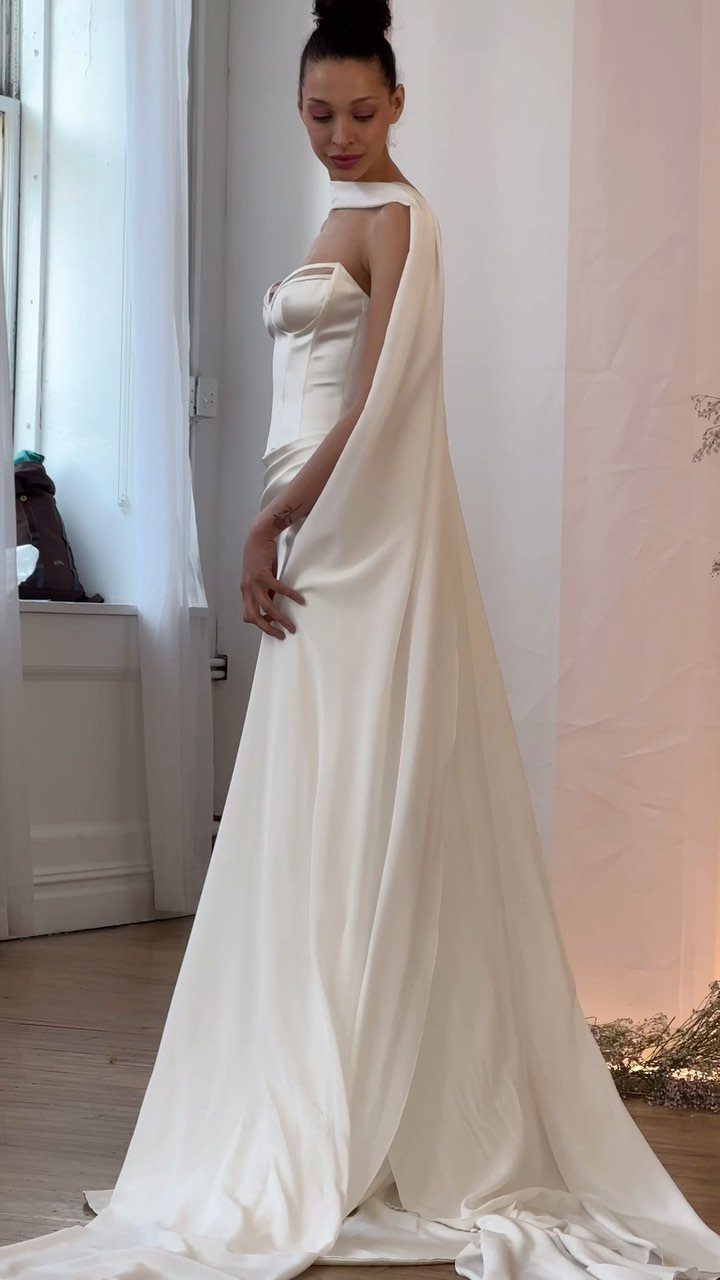
A corset bodice does its work at the waist. Boning and a snug structure pull the torso into a defined shape, so the curve from ribs to hips reads clearly under the satin.
For a bride who wants shape without extra layers, I’d choose this over a soft, unstructured bodice. A structured top also pairs well with a flowing skirt, since the skirt gives the contrast.
Fit matters more than the label. Bring your usual undergarments to the first fitting and judge the shape sitting, not just standing.
2. Corset Bodices in Ball Gowns
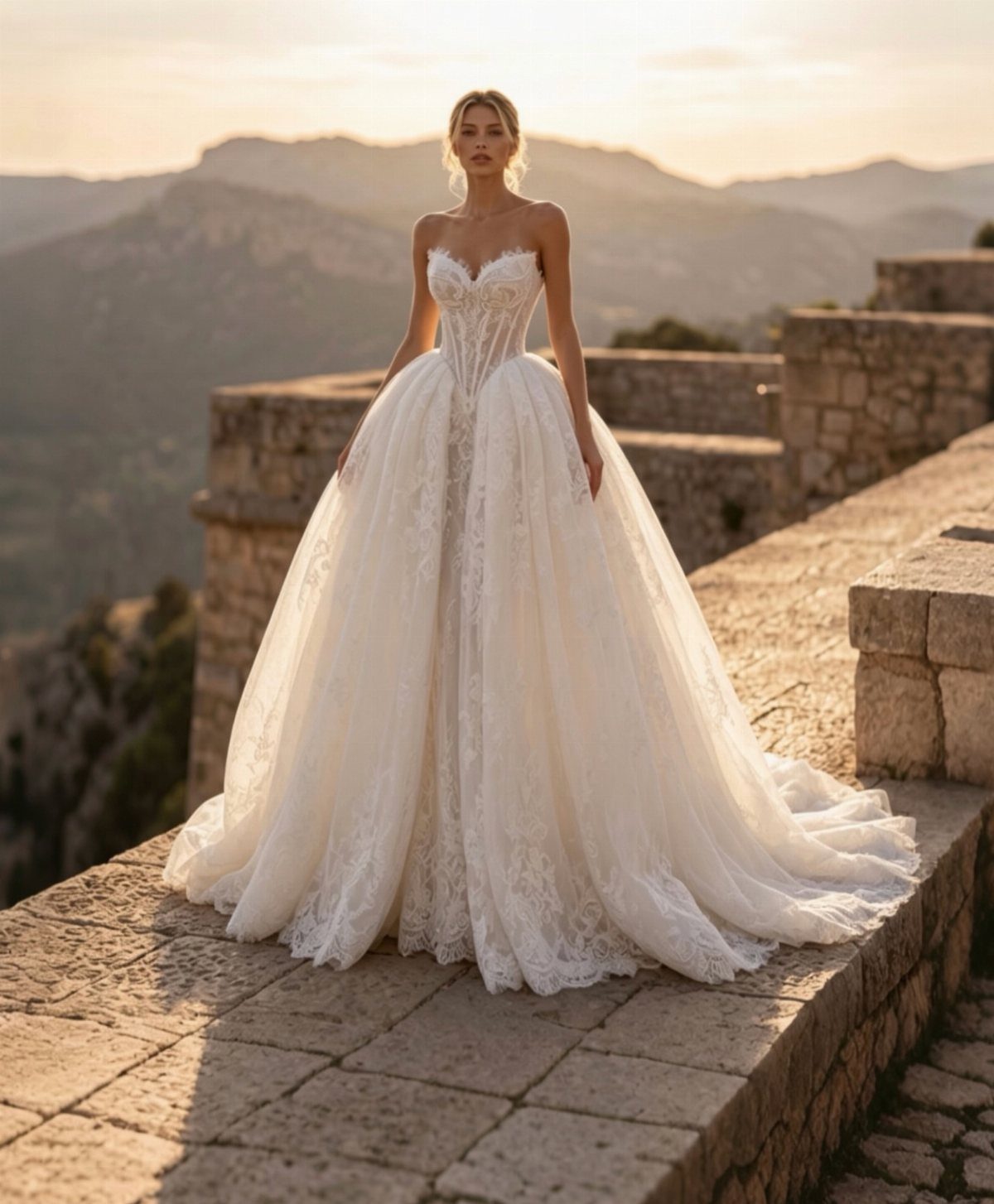
Ball gowns and corsets suit each other because the full skirt needs something fitted above it. A lace corset bodice on a strapless gown gives the waist a clear, narrow line against all that volume.
I like this when the venue is grand or open, since a big skirt holds its own outdoors.
The same bodice also works on slimmer skirts, so a corset isn’t limited to one dress style. Try the bodice on its own terms first, then decide how much skirt you want below it.
3. Regal Elegance
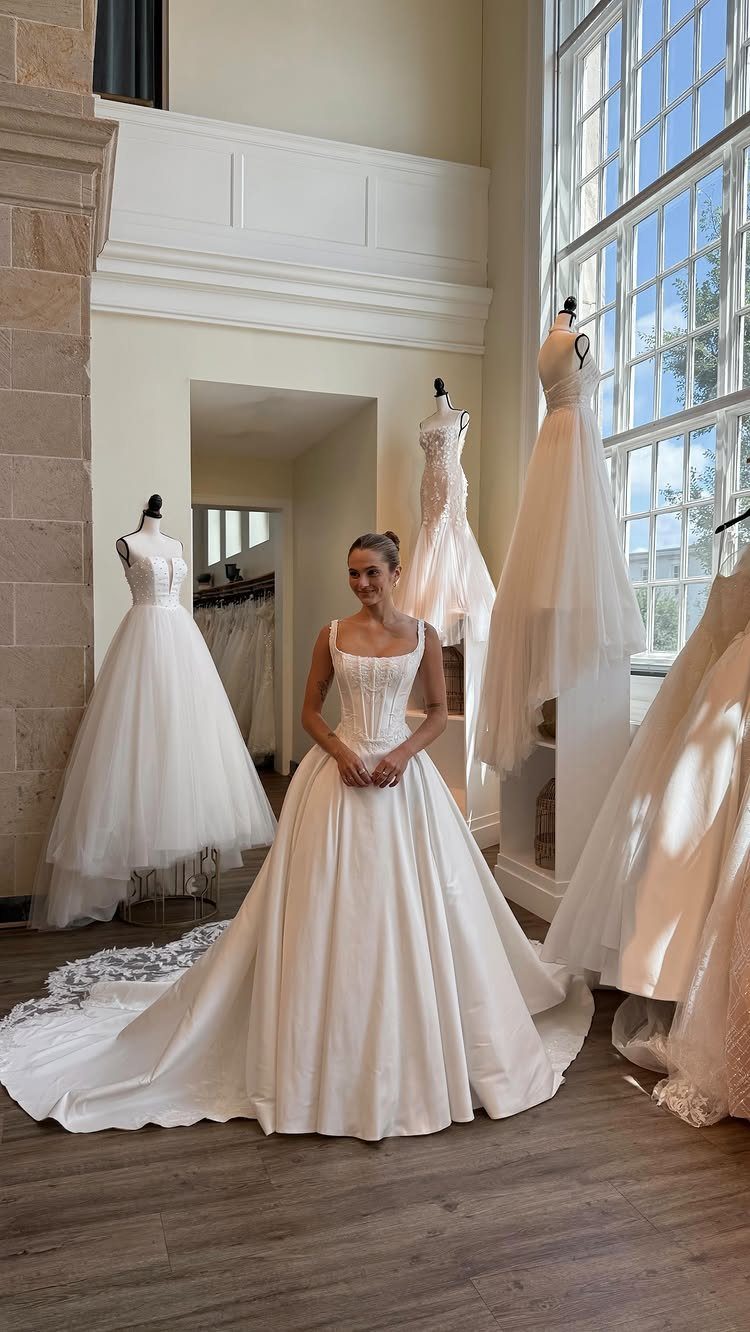
Royal looks come from structure, and a corset gives a gown that posture: upright, composed, a defined waist and a long line to the hem. A plain white gown with a firm bodice can feel formal without any extra decoration.
For a budget-minded bride, that’s good news. Shape does more of the work than embellishment, so the lace, beading and veil can stay plain.
Try the gown in a boutique with good light, and stand in it for a few minutes before you buy.
4. Visible Boning and Sheer Fabrics
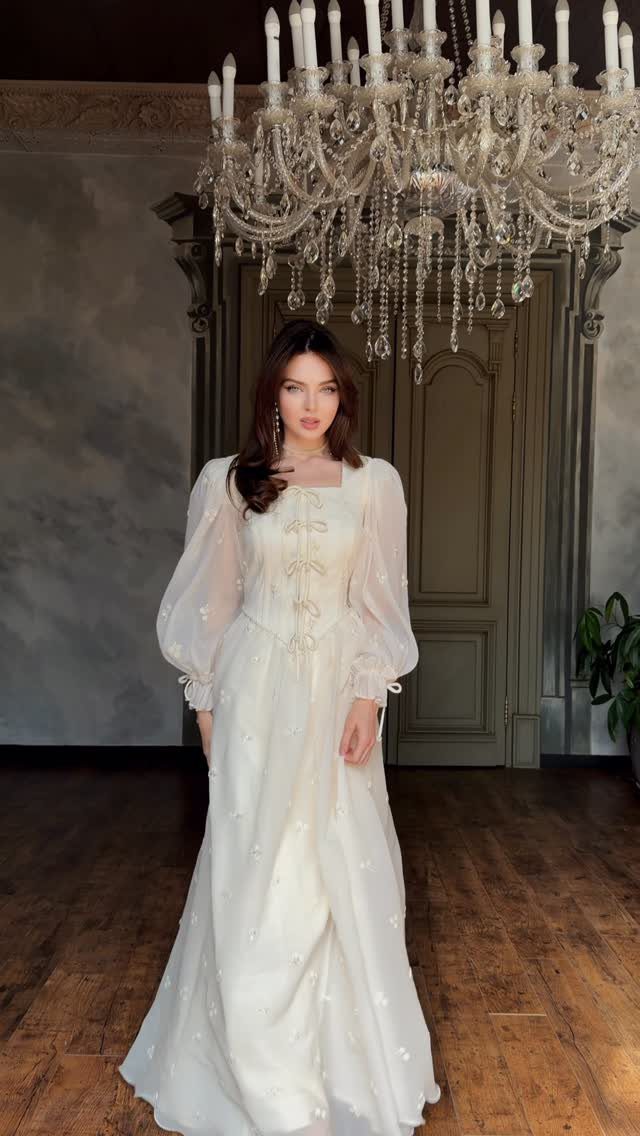
Sheer fabric with visible boning turns the structure into the design. Instead of hiding the corset under opaque satin, the lines of the boning show through and become the pattern.
This is the boldest option on my list, and I’d pick it for a modern, small ceremony, not a traditional one.
Plan the underlayers early. A nude lining or slip changes how much shows, so ask to see the gown with different ones before you settle.
5. Button-Front Corset Waist
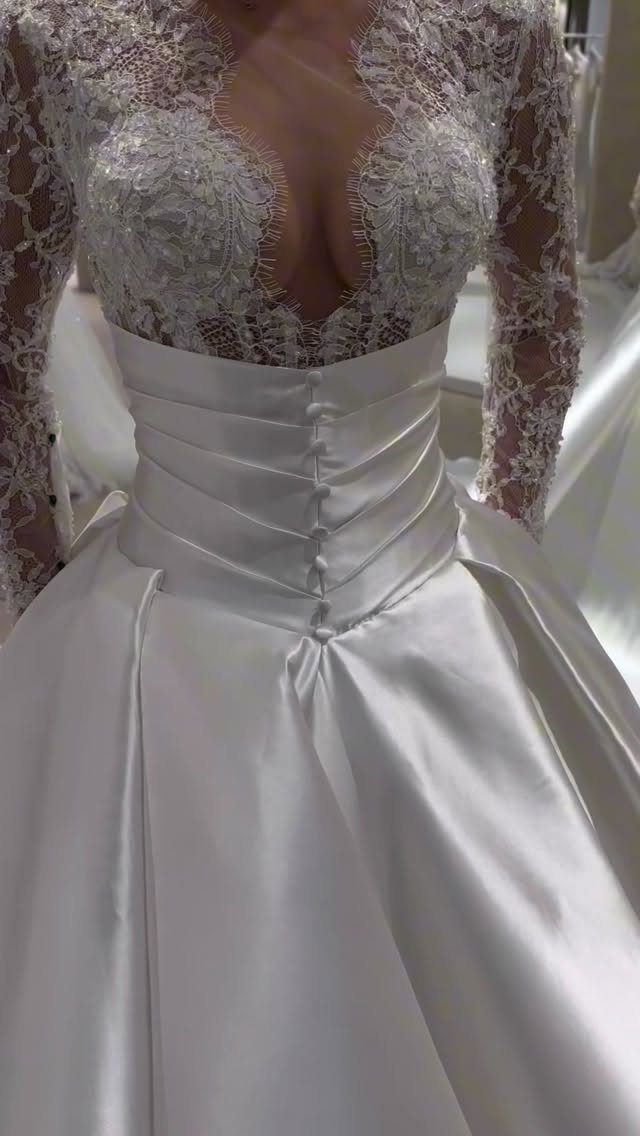
A satin corset waist set against lace sleeves gives the dress 2 textures, soft on top and firm in the middle. The row of buttons down the center adds detail without needing more embellishment.
I prefer this for brides who want coverage and shape together. Long sleeves make the look modern-classic instead of severe.
Check the buttons at a fitting. Sit, raise your arms and hug someone, because a front closure has to stay flat through all of it.
6. Corset Bodice with Bolero Jacket
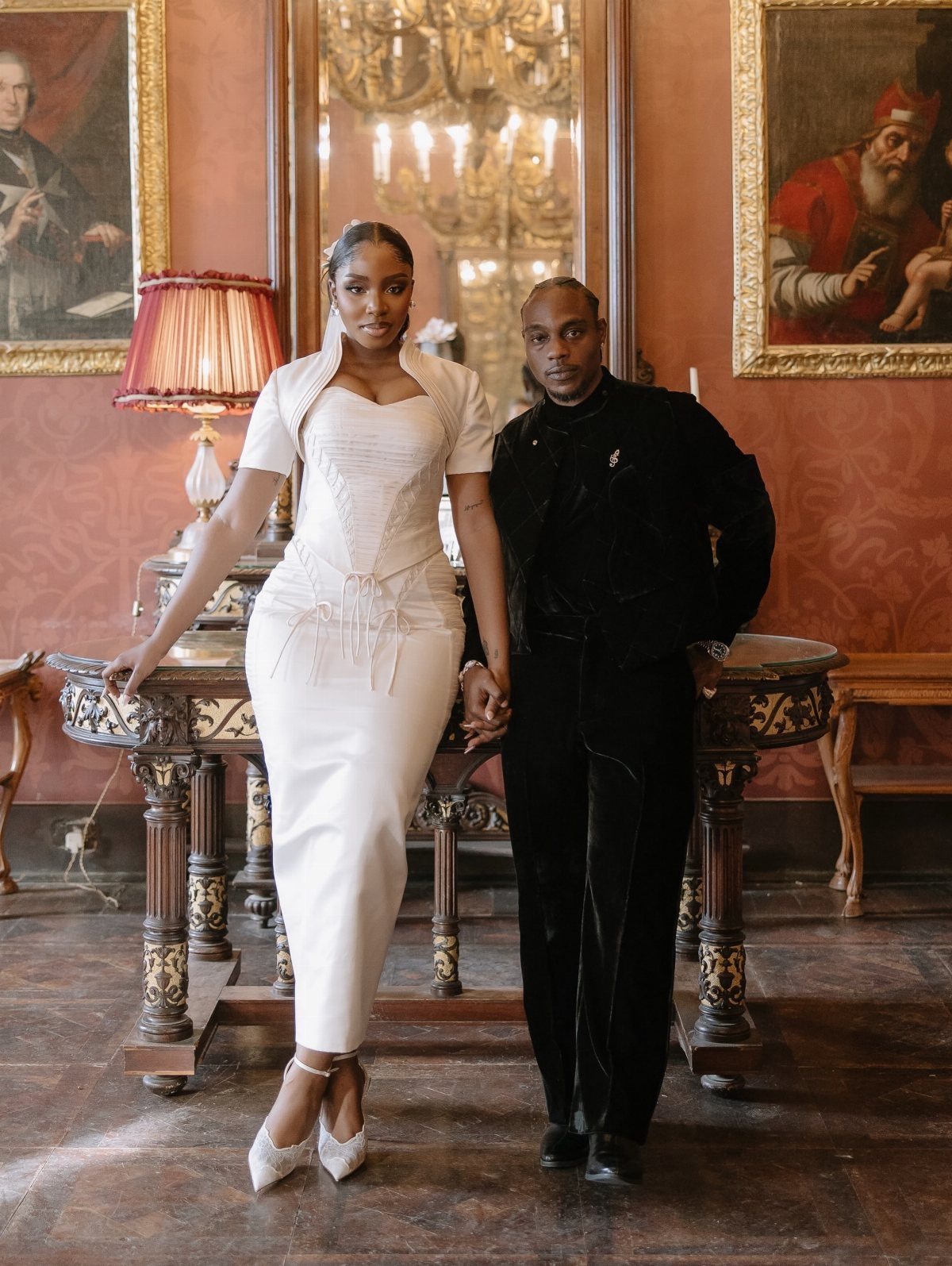
A cropped bolero turns a fitted corset dress into 2 looks. On the ceremony side, the shoulders are covered; later, the jacket comes off and the bodice takes over.
That flexibility is why I’d pick it for a bride with a formal ceremony and a livelier reception. It’s one dress doing two jobs.
Ask for the bolero in matching fabric so the pieces read as one outfit. Then check that the jacket doesn’t ride up over the bodice when you lift your arms.
7. Lace-Up Ribbon Corset Back
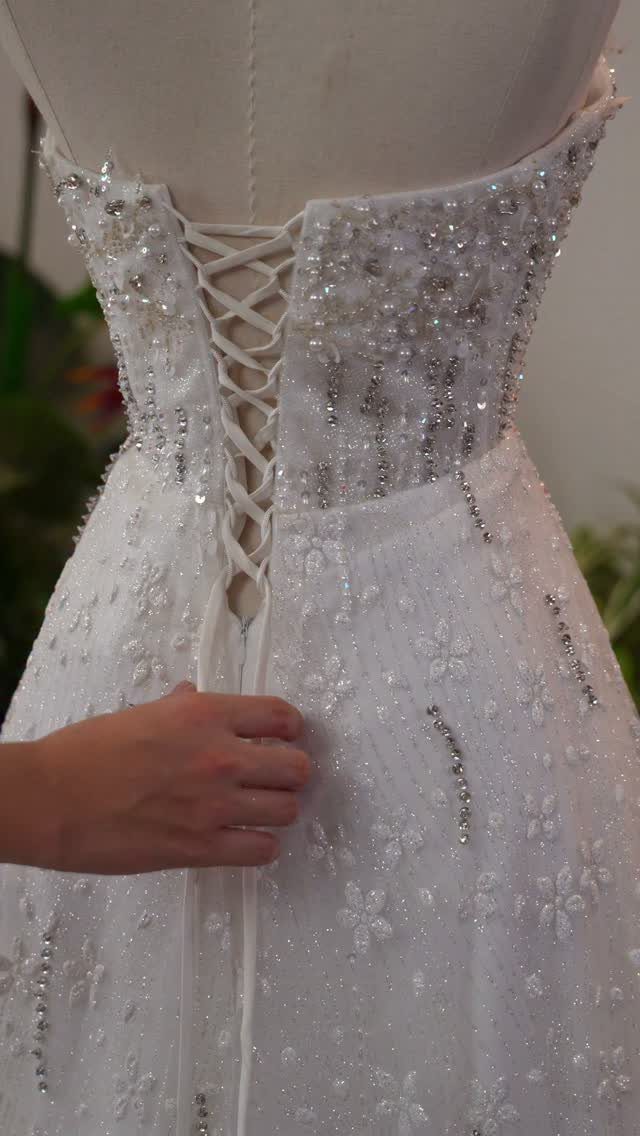
Lacing at the back lets the dress be adjusted to your body instead of the other way around.
White satin ribbon crossing over a beaded panel gives a traditional closure and a bit of sparkle without a train of extra decoration.
I’d choose this over a zipper for brides who expect their measurements to shift before the wedding. Ribbon can be loosened or tightened at the last fitting.
Ask who will lace you in on the day, and have that person practice at the final fitting. Even tension from top to bottom matters more than a tight pull.
8. Off-the-Shoulder Lace Mermaid Corset
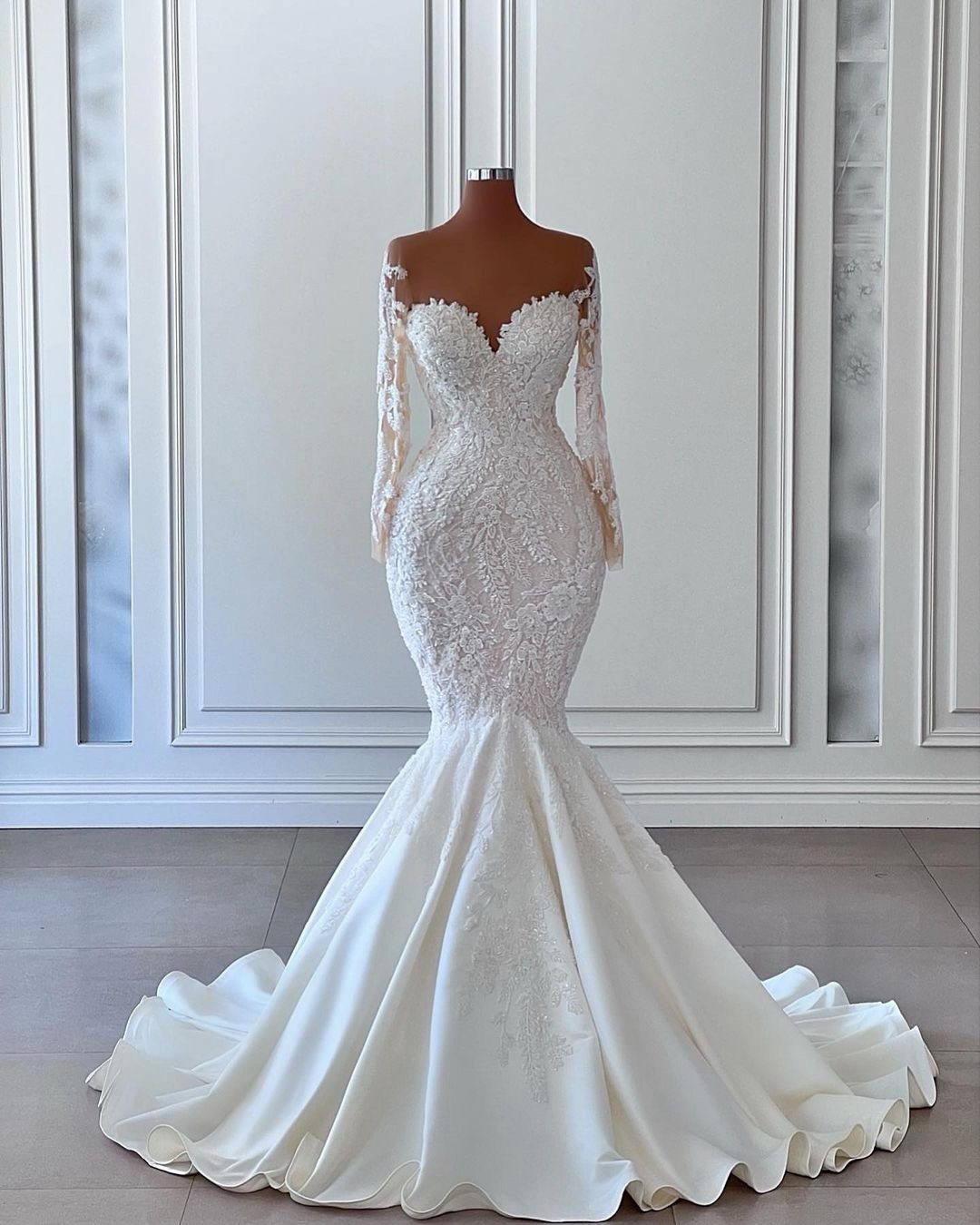
Lace over a fitted mermaid cut, with a structured corset bodice and slim off-the-shoulder straps, is the version I’d steer a bride toward when she wants shape and softness together.
The bodice holds the torso, and the lace keeps it from looking severe.
This is a close-fitting dress, so fit is everything. Sit, walk and lift your arms in it before you order, and check that the straps stay put.
Plan for a fitting or two. A mermaid skirt leaves little room to hide a poor hem or waist.
Frequently Asked Questions
Is a corset wedding dress comfortable to wear all day?
Yes, a well-made one can be. Flexible boning such as spiral steel or synthetic whalebone contours to your body and moves with you, which is what keeps the support comfortable through a ceremony and reception.
I’d still test the dress sitting, walking and lifting your arms at a fitting, since comfort shows up in motion, not on a hanger.
Can a corset wedding dress be adjusted if my weight changes?
Yes, especially with a lace-up back.
Lace-up backs give you a few inches of play: a seamstress can set the ribbon at the final fitting, and you can tighten or loosen it that morning if the number on the scale has moved a little.
I’d pick lacing over a zipper if you expect your measurements to change, and have whoever will lace you in practice at the final fitting.
Do I need to wear a bra with a corset wedding dress?
Usually not, if the bodice is well made. Most corset bodices come with sewn-in cups and steel or plastic boning that hold the bust in place, which usually makes a separate bra or shapers redundant.
Still, wear what you plan to put under the dress to that first fitting, and check the fit both seated and on your feet.