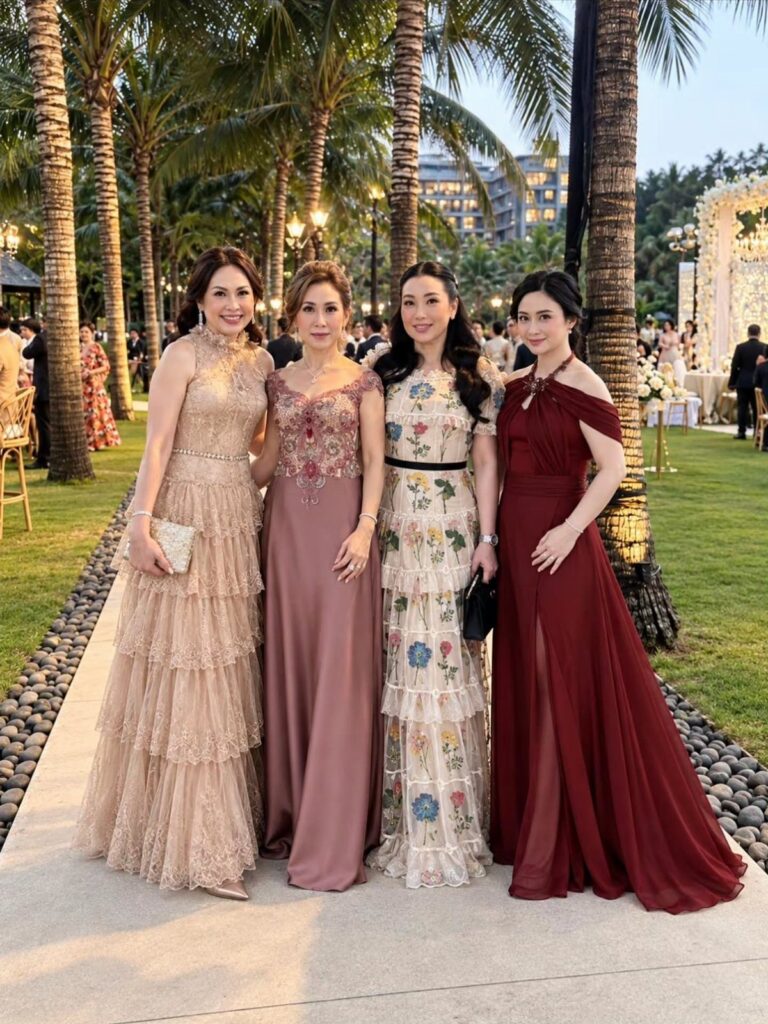
The dress code on your invitation tells you which of these rules to follow, and it can point anywhere from a casual look to a formal evening event.
If the invitation gives no dress code, check the season, the time of day and the venue, and read the sections on seasonal attire, evening wear and modest dressing to fill the gap.
1. Casual Wedding Attire
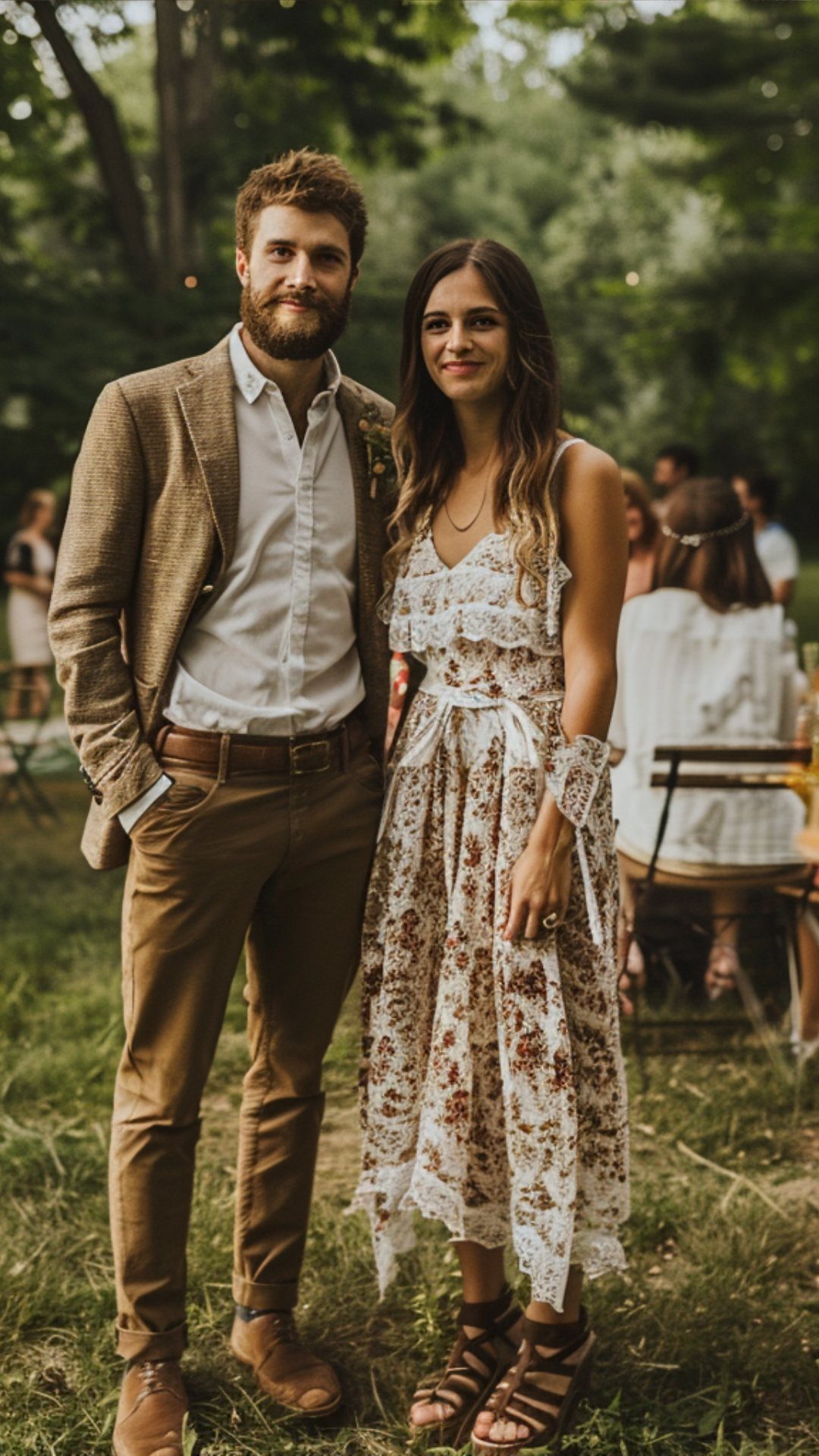
A casual dress code still means dressing up. Jeans, shorts and everyday t-shirts stay home, even when the invitation sounds relaxed.
A tan blazer with chinos for men and a floral midi dress for women is the version I like best. Both read as easy but clearly planned, and they work for an outdoor ceremony.
If you’re unsure, go one notch nicer than your weekend outfit. Nobody has ever been sorry about a blazer.
2. Evening Wedding Guest Attire
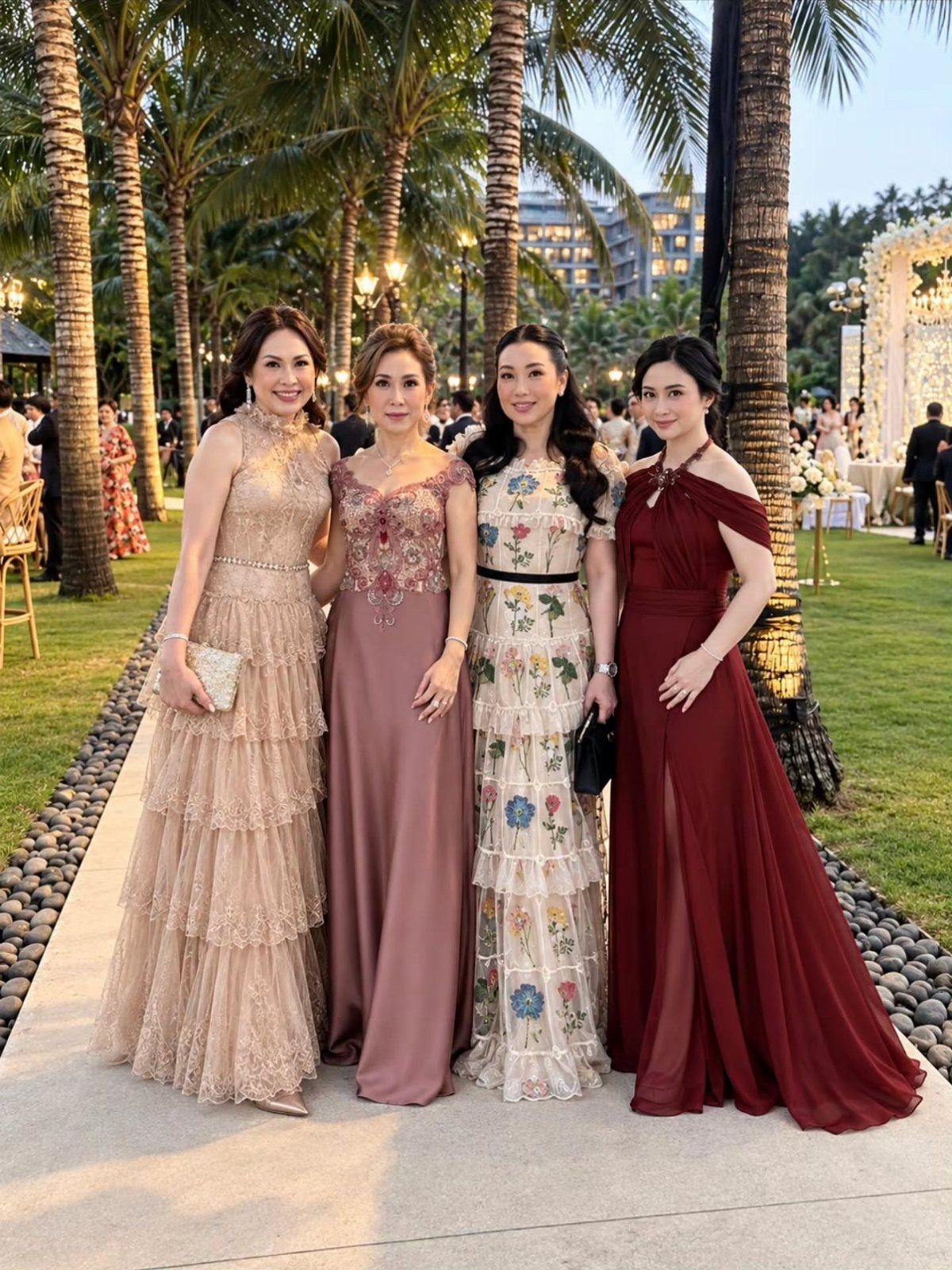
Evening weddings call for longer hemlines and richer fabrics than daytime ones. A floor-length gown is the safest choice once the sun is down, and it suits a hotel or resort setting well.
Women who want to match the mood can pick deep, saturated colors over pastels. Pastels tend to look washed out after dark.
After dark, a charcoal, navy or black suit with a tie is the safest choice for the men in your group. If the invitation says "black tie," read the dress code as a clear instruction and dress to match.
3. Consider Cultural Traditions
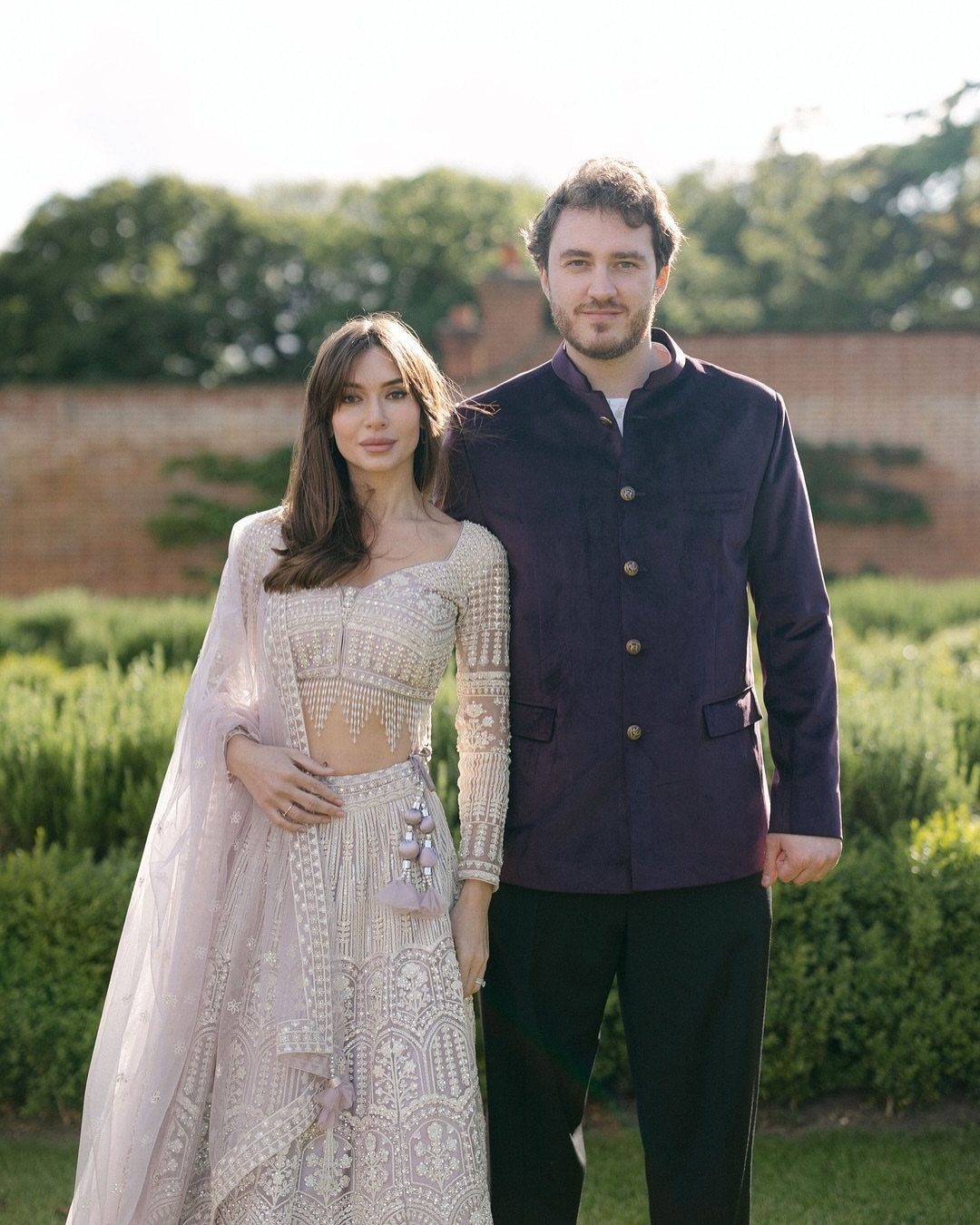
Cultural traditions can change what’s appropriate, so read the invitation and ask the couple’s family when you’re unsure.
Traditional Indian wedding attire is a good example: the couple and many guests wear it, and it deserves respect rather than imitation by accident.
If you’re invited to a celebration like this, ask the hosts what they’d like you to wear. Many are glad to point you toward the right outfit, and some families welcome guests in traditional dress.
Skip anything that looks like a costume. When in doubt, ask.
4. Formal Wedding Attire
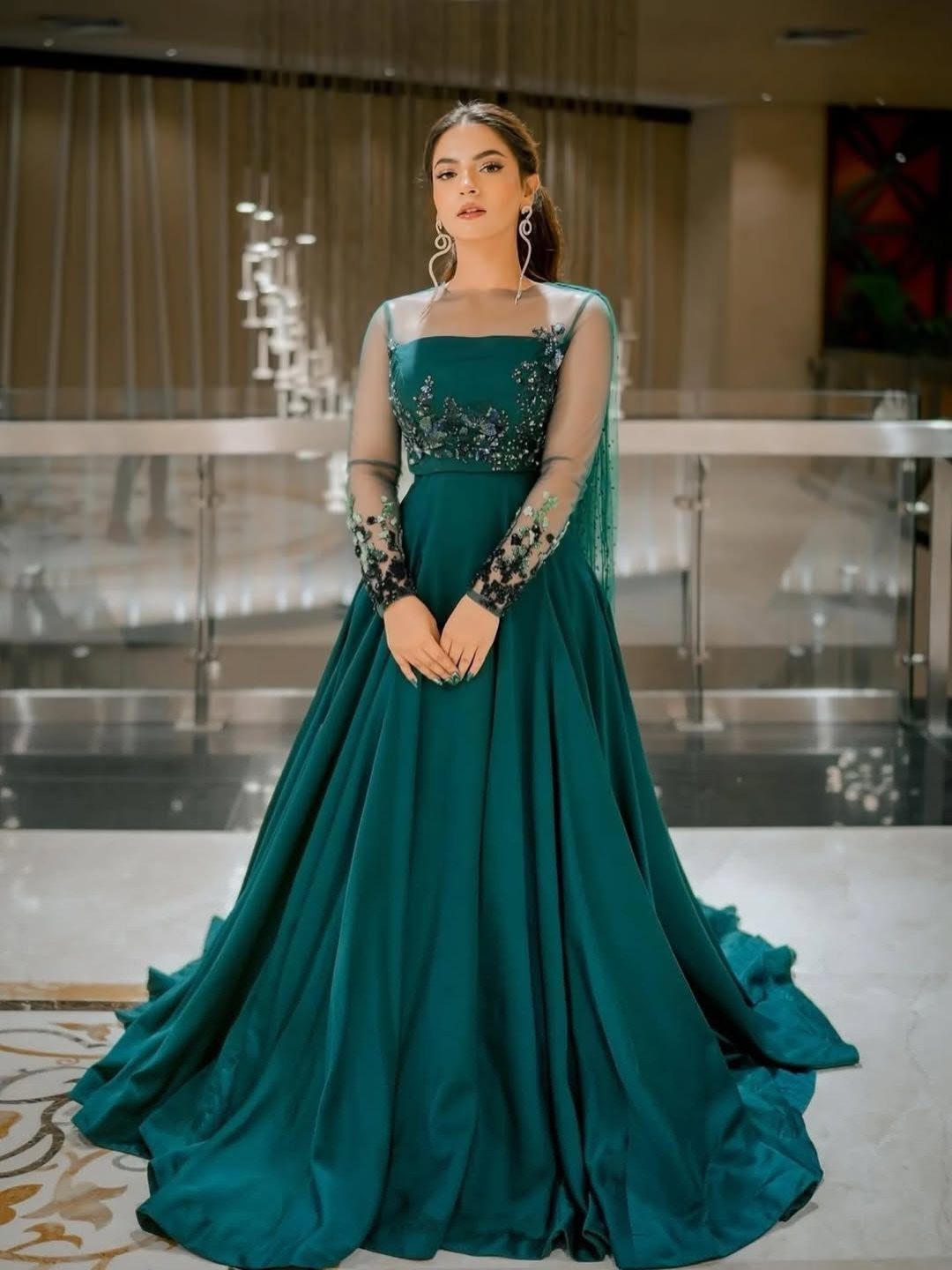
Formal is one step down from black tie, so a floor-length gown is welcome but not required, and a dark teal one with beaded detailing and sheer embroidered sleeves is a lovely way to dress the part without wearing black.
Jewel tones photograph well indoors, and the sleeves add coverage.
Dress codes run from ultra-formal to casual, and each level has its own expectations, so check where the invitation lands before you shop.
Formal is one step down from black tie, so a floor-length gown is welcome but not required. Buy or rent early, because alterations take time.
5. Cocktail Attire
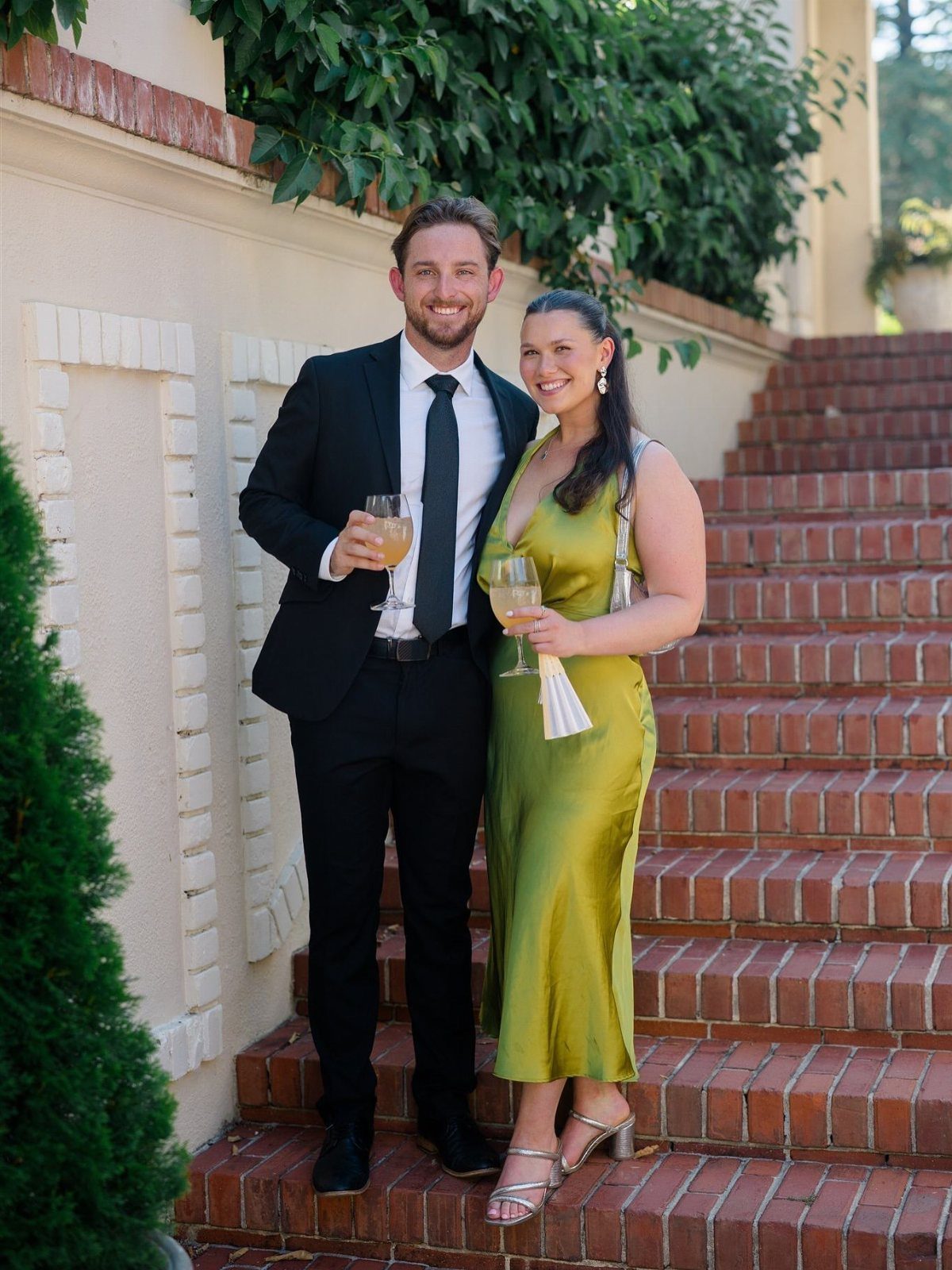
Cocktail attire sits between casual and formal, and it gives you the most room to show personality. A satin dress in a bold color, like lime green, pairs well with a man in a black suit and tie.
For women, a dress that falls around the knee or midi length is the classic pick.
Choose fabrics with a little shine, such as satin, to signal that you dressed for a party. Keep the shoes comfortable, because cocktail hour often turns into dancing.
6. Dress Modestly
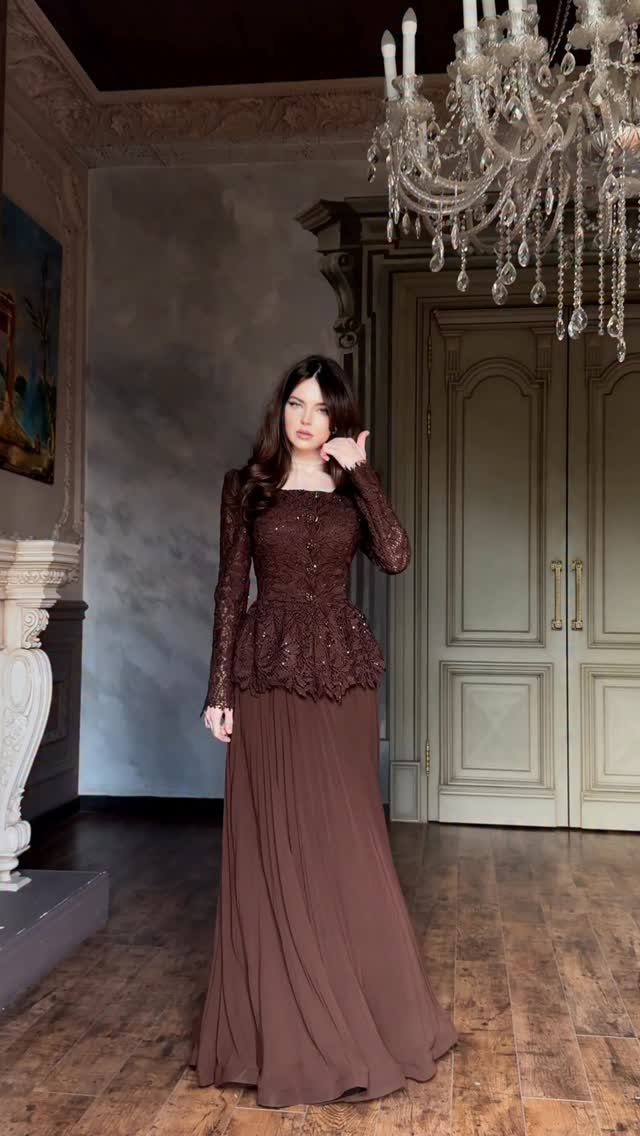
Modest dressing means covered shoulders, sleeves and a longer hemline, and it works at almost any venue. A long-sleeved lace and chiffon gown in brown is a graceful example: it covers a lot yet still feels dressy.
A sleeveless dress needs a wrap, shawl or light jacket in your bag, especially for a ceremony in a house of worship.
A light layer lets you adjust for a ceremony in a place of worship and take it off for the reception.
I’d pick lace over heavy fabric. Sleeves and a full skirt stay comfortable when the dancing starts.
7. Semi-Formal Wedding Guest Attire
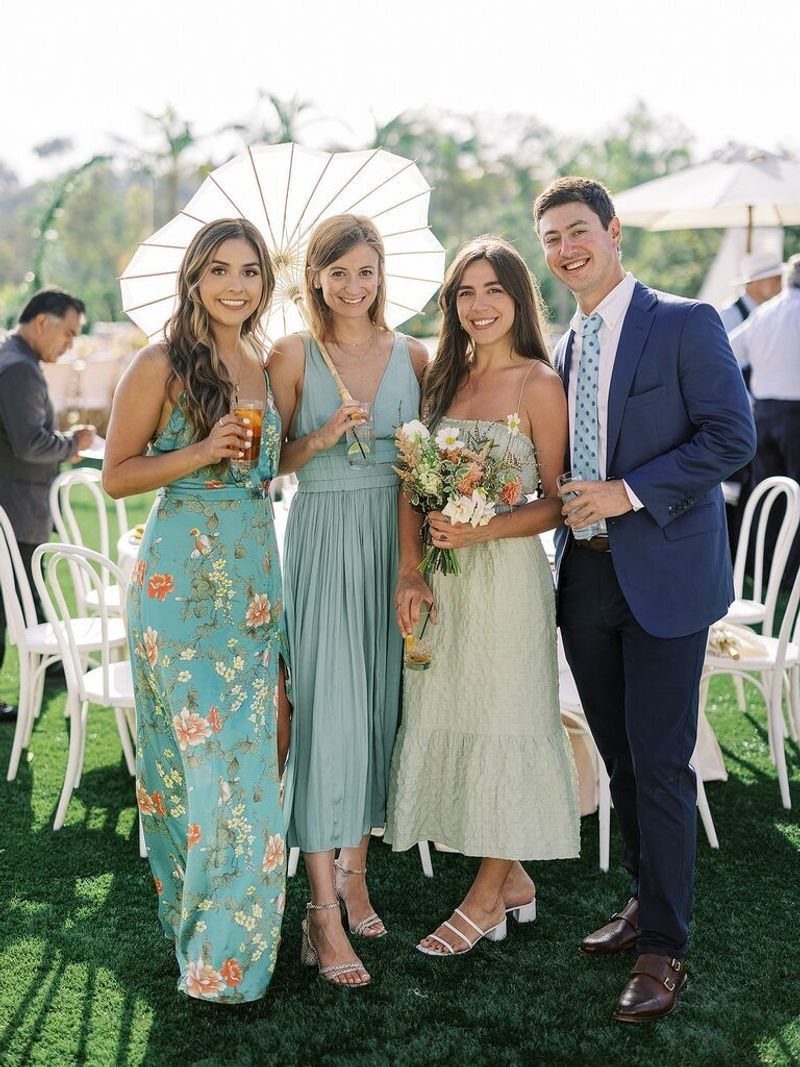
Semi-formal sits a step below formal, and the colorful midi dress is its easiest answer. Knee-length to midi hemlines keep things polished without a gown, and a tailored suit in navy covers the men.
Bright colors are welcome, especially at a daytime outdoor wedding like this one. Check that the suit actually fits: tailoring is what separates semi-formal from business wear.
Pick one shade per person and let the group clash a little. It looks celebratory, not careless.
8. Smart Casual Wedding Attire
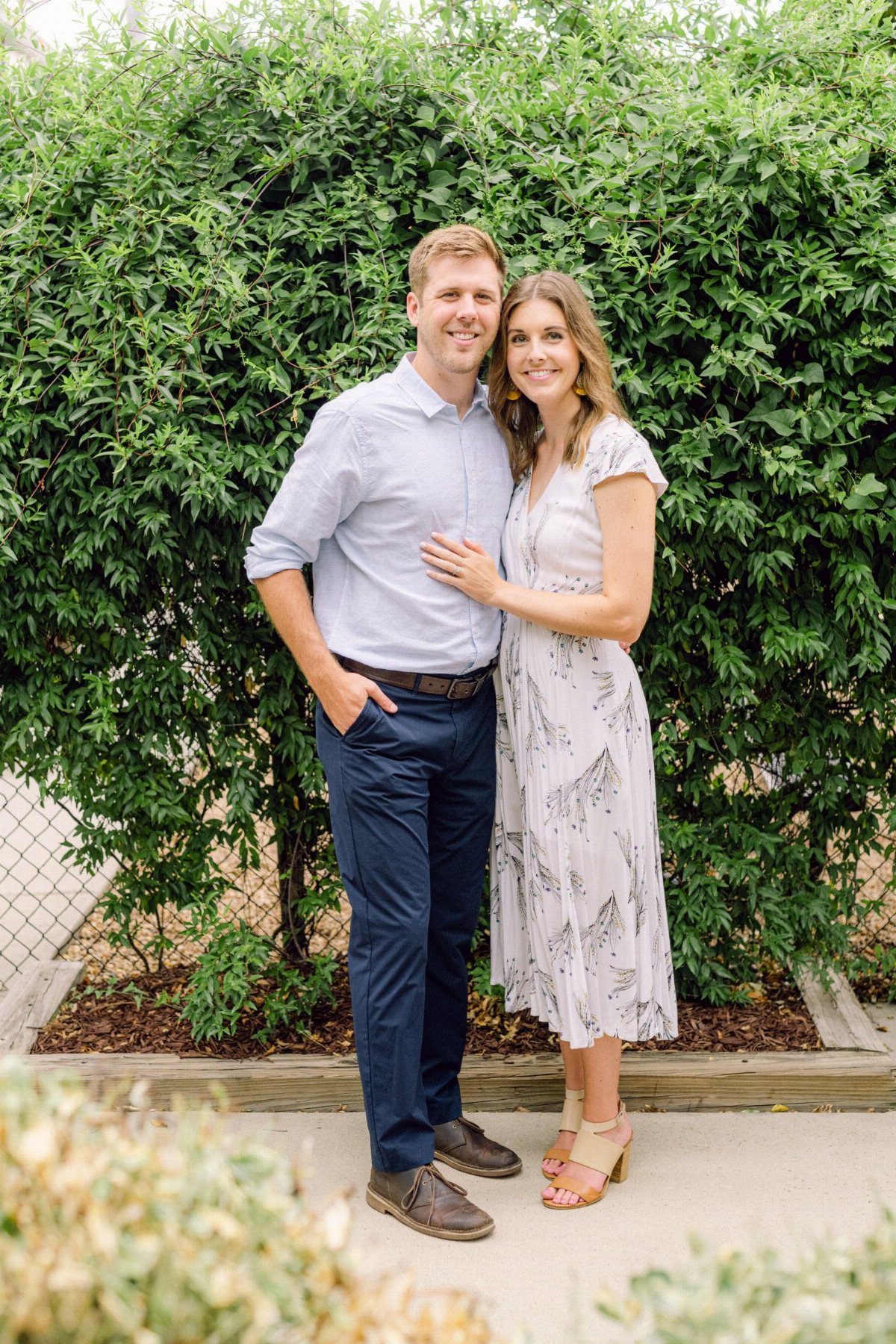
Smart casual means a collared shirt, no jacket required. A light blue button-down with navy trousers is a clean way to do it, and a floral midi dress covers the same ground for women.
Tuck the shirt in and press it. Trousers, not jeans, are what make this read as dressed up.
Smart casual sits a notch above the casual outfit from earlier, so if the invitation says only "dressy casual," I’d add a blazer to be safe.
Importance of Following Dress Codes
A dress code is the couple’s way of telling guests what the day will look like. One person in a tweed sport coat and khakis at a black-tie wedding changes the feel of the room, and the photos show it.
When the invitation lists no dress code at all, skip the go-to blue shirt and chinos. Ask the couple what they’d like guests to wear; they’ll appreciate that you checked.
Read the invitation closely, look up the venue, and settle your outfit well ahead of the date. Pick an outfit that keeps the eye on the couple instead of on you.
“If you’re creating a wedding dress code, clarity is everything,” emphasizes bridal stylist Maisie-Kate Keane.
— Vogue
Seasonal Attire Tips
Season and weather should shape fabric and color as much as the dress code does.
For spring and summer, pick breathable fabrics like chiffon, crepe, organza or tulle. Light colors, pastels and botanical prints suit gardens, vineyards and beach settings.
Cooler months suit heavier fabrics like velvet, faille and satin. Autumn tones, deep dark shades and jewel colors all fit the season.
Neutrals work in every season, so they’re the safest pick if the forecast is unclear. Outdoor weddings call for a look at the venue and the forecast first, since grass, wind and heat can undo an outfit fast.
General Etiquette for Weddings
When the ceremony is religious or follows cultural customs, learn them before you shop. Many Jewish weddings expect covered shoulders, so a wrap or a jacket is worth bringing.
Comfort matters too. Test that your outfit lets you sit through the ceremony, move around, and dance at the reception without feeling restricted.
Leave white to the bride, since that color is traditionally hers.
Before you post photos, check what the couple wants shared. Some prefer privacy, and a quick question settles it.
Frequently Asked Questions
What are the rules for wedding guest attire?
Start with the dress code on the invitation, since each level from casual to black tie has its own expectations.
After that, let the hour of the ceremony, the venue, the weather that time of year and any religious or cultural customs nudge your choice up or down.
Leave white to the bride, and pick an outfit you can sit, move and dance in.
What should I never wear to a wedding as a guest?
White stays off your list, since it belongs to the bride by long tradition. Denim, shorts and everyday tees are out too, even on a laid-back invitation, and so is anything that reads as a costume at a cultural ceremony.
Can I wear black to a wedding?
Black is fine at most weddings, and it fits best at formal or evening ones.
Men can pair a black suit with a tie after dark; if black feels too heavy, a deep jewel tone like emerald or sapphire works well. Choose a festive piece rather than anything that reads like funeral wear.
What should I wear to a wedding if the invitation lists no dress code?
The simplest fix is a quick message to the couple, or someone in the wedding party, asking what they have in mind.
I’d skip the usual blue shirt and chinos, because a guess like that often lands one notch too casual. With no reply, dress one step above your usual weekend look; a blazer or a nicer dress does the job.